SEBI duplicate securities, duplicate share certificate, ₹10 lakh threshold, demat account, simplified documentation, investor protection, securities policy

SEBI Eases Duplicate Securities Norms: Complete Guide to 2025 Policy Changes and New ₹10 Lakh Limit
The Securities and Exchange Board of India (SEBI) has announced significant reforms to simplify the duplicate securities issuance process, effective immediately from December 2025. The regulator has doubled the simplified documentation threshold from ₹5 lakh to ₹10 lakh, marking a major shift in investor-friendly policies. These changes aim to reduce compliance burden, eliminate procedural inconsistencies, and promote wider dematerialization across the securities market. In this comprehensive guide, we explore the key aspects of SEBI's latest regulatory reforms and what they mean for Indian investors holding physical share certificates.
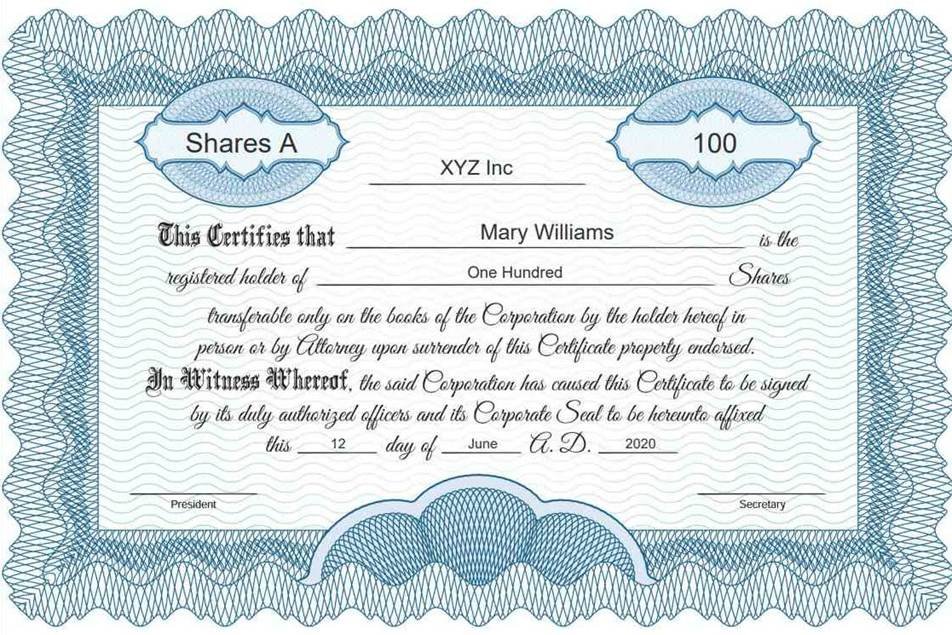
What is a share certificate or stock certificate? | Eqvista
Understanding SEBI's Duplicate Securities Reforms
What Are Duplicate Securities?
Duplicate securities are replacement share certificates issued when original physical certificates are lost, damaged, or destroyed. Previously, investors seeking duplicate securities had to navigate a complex documentation process with varying requirements across different registrar and transfer agents (RTAs) and listed companies. The inconsistencies often resulted in investors submitting multiple sets of documents, delaying the process significantly.
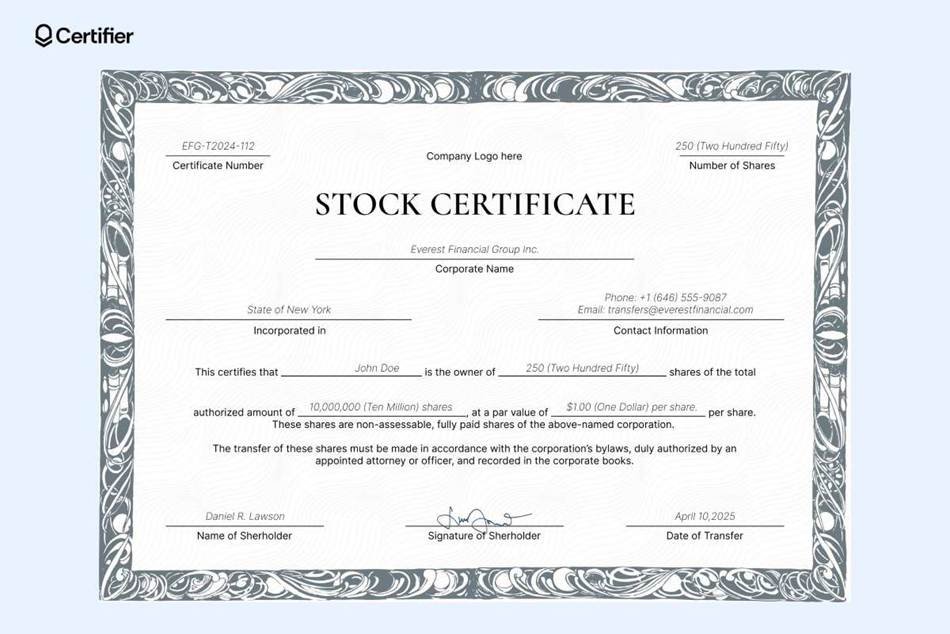
Free Stock Certificate Templates to Edit
SEBI recognized that the previous ₹5 lakh threshold no longer reflected the growth in the Indian stock market or average portfolio values. In November 2025, the regulator issued a consultation paper highlighting two critical issues: the absence of standardized documentation formats and the varied practices among RTAs and listed companies that forced unnecessary paperwork on investors. These reforms directly address these concerns by creating a unified, investor-friendly framework.
The Five Major Changes Under SEBI's New Norms
1. Doubled Monetary Threshold (₹5 Lakh to ₹10 Lakh)
The most significant change is the doubling of the simplified documentation threshold to ₹10 lakh. This expansion means a much larger segment of investors will now qualify for the simplified process. Investors holding securities valued between ₹5 lakh and ₹10 lakh no longer need to submit police complaints, FIR copies, or court orders—documents previously required for securities exceeding ₹5 lakh.[1][2][3][4]
This change reflects SEBI's understanding that the previous limit was restrictive and outdated for today's market conditions. The new ₹10 lakh threshold brings relief to a significantly larger investor base while maintaining regulatory oversight for high-value securities.
2. Standardized Affidavit-cum-Indemnity Bond Format
SEBI has prescribed a standardized Affidavit-cum-Indemnity Bond that all listed companies and RTAs must use. Previously, different companies used varying formats, creating confusion and delays. This standardization ensures:[1][2][3]
· Consistent documentation across all market participants
· Faster processing by listed companies and RTAs
· Clear, uniform requirements for all investors
The standardized format is mandatory for all duplicate securities applications and helps reduce unnecessary paperwork.
3. Elimination of Notarization for Small Holdings
Under the new norms, notarization of the Affidavit-cum-Indemnity Bond is no longer required for securities valued up to ₹10,000. This change reduces both time and cost for investors with smaller holdings. Previously, all duplicate securities applications required notarized documents, adding an extra step to an already lengthy process.[1][2][3][4]
This reform is particularly beneficial for retail investors with modest holdings, as it eliminates the need to visit notaries and reduces associated costs.
4. Mandatory Demat Mode for All Duplicate Securities
A critical structural change is that all duplicate securities issued under the new framework will necessarily be in dematerialized (demat) form. This requirement serves multiple objectives:[1][2]
· Promotes wider dematerialization across the securities market
· Eliminates future risks associated with physical certificates
· Simplifies future transactions and settlements
· Aligns with modern market infrastructure

How to Use of a Demat Account and Operate It - Pocketful
The mandatory demat mode represents SEBI's broader push toward a paperless securities market, enhancing market efficiency and investor protection.
5. Rationalized Documentation for High-Value Securities
For holdings exceeding ₹10 lakh, SEBI has rationalized documentation requirements rather than eliminating them. Investors in this category must provide:[3][4]
· Copy of FIR, police complaint, court order, or plaint
· Complete details of the securities
· Folio number and certificate information
· Distinctive number range
However, even for these high-value holdings, the documentation process is more streamlined than before, with clear guidelines reducing ambiguity.
Implementation Timeline and Applicability
The revised norms came into force immediately upon the circular's issuance on December 25, 2025. SEBI directed all listed companies and RTAs to process requests strictly in accordance with the updated procedure from that date forward.[1][2][3]
An important provision for existing applicants: the new norms apply to duplicate securities requests currently under process. This ensures that investors who had already begun the application process can benefit from the simplified procedures without having to restart their applications.[1][3]
Investors who already submitted documents under the earlier framework are not required to resubmit documents in new formats. This provides relief to those in the transition period and prevents unnecessary duplication of efforts.[1][2][3]
Step-by-Step Process for Different Security Values
For Securities Valued Up to ₹10,000
Documentation Required:
· Completed and signed Affidavit-cum-Indemnity Bond (standardized format)
· Folio number and certificate details
· Proof of identity and address
Notarization: Not required
Processing Timeline: Fast-tracked
Issuing Mode: Demat only
For Securities Valued Between ₹10,000 and ₹10 Lakh
Documentation Required:
· Completed Affidavit-cum-Indemnity Bond (standardized format)
· Certificate and folio number details
· Proof of identity and address
Notarization: Required (at investor's option for documents below ₹10,000)
Processing Timeline: Standard processing
Issuing Mode: Demat only
For Securities Valued Above ₹10 Lakh
Documentation Required:
· Standardized Affidavit-cum-Indemnity Bond
· Copy of FIR, police complaint, court order, or plaint
· Complete securities details including distinctive numbers
· Folio information and certificate numbers
· Proof of identity and address
Additional Requirement: Weekly newspaper advertisement by the issuing company
Processing Timeline: Begins from receipt of complete documents or newspaper publication (whichever is later)
Possible Fee: Minimal fee may be levied by the listed company
Issuing Mode: Demat only
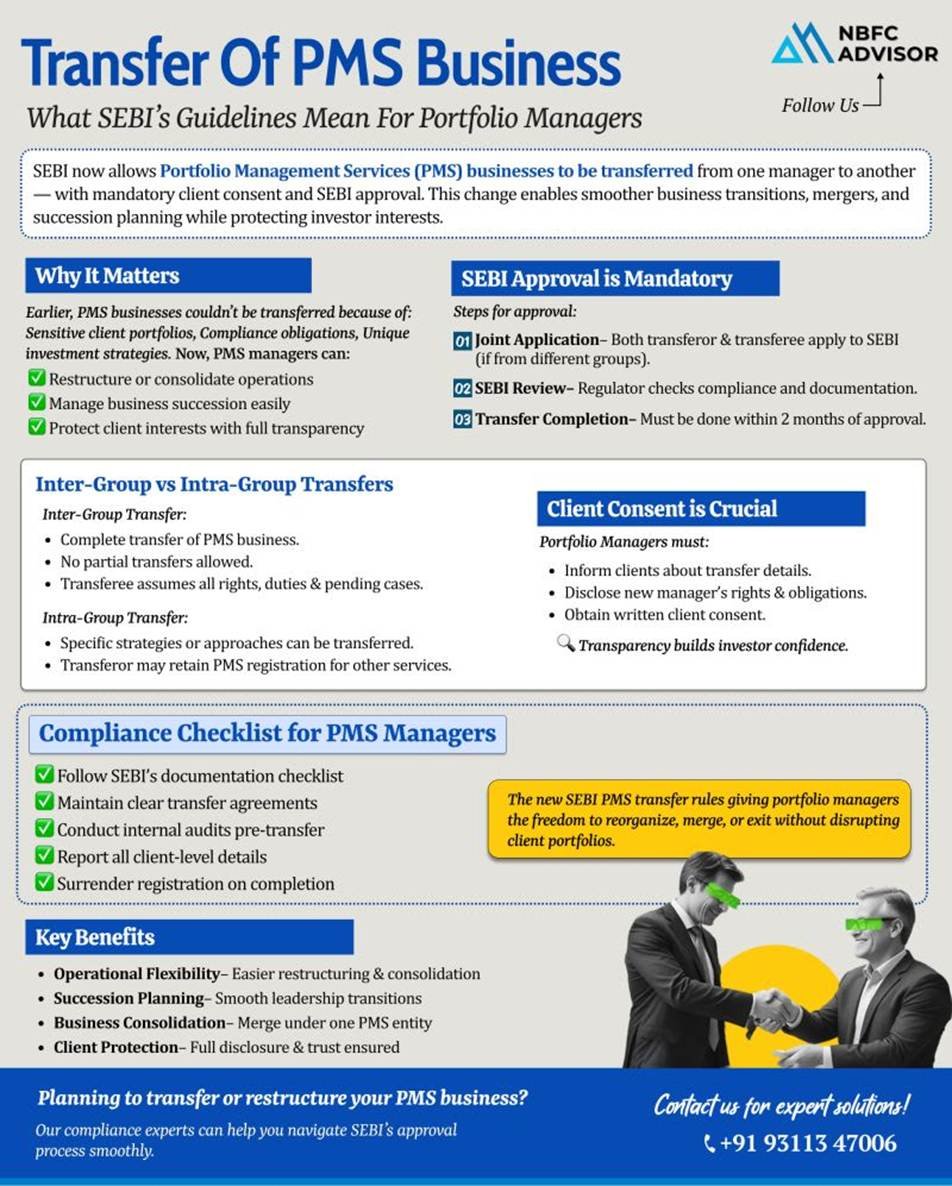
entire sebi-approved process | Blogs
Benefits for Investors and the Securities Market
The simplified process dramatically reduces the paperwork burden for investors. With standardized formats and higher thresholds, investors can obtain duplicate securities without navigating varying requirements across different companies.
By eliminating unnecessary documentation and standardizing formats, the processing timeline for duplicate securities issuance is significantly accelerated. Investors can recover lost or damaged securities more quickly.
The elimination of notarization requirements for smaller holdings reduces associated costs. Combined with faster processing, this translates to overall savings for investors.
Enhanced Market Infrastructure
The mandatory demat mode for all duplicate securities strengthens the overall securities market infrastructure by promoting dematerialization and reducing physical certificate risks.
These reforms enhance investor protection by making it easier to recover lost or damaged securities. Investors no longer face procedural barriers when accessing their rightful securities.
Top Virtual Trading Platforms in India for Beginners
Determine the value of your lost or damaged securities to understand which documentation category applies.
2. Contact Your RTA or Listed Company
Reach out to the Registrar and Transfer Agent (RTA) or the listed company that issued the securities. They have the standardized Affidavit-cum-Indemnity Bond format.
Collect the necessary documentation based on your security value category. For amounts up to ₹10,000, you only need the affidavit and identity proof—no notarization needed.
Submit the completed application with all required documents to the RTA or listed company. Keep copies for your records.
Monitor the processing status. For high-value securities, the company will publish a newspaper advertisement as required.
6. Receive Demat Duplicate Securities
Once processed, your duplicate securities will be issued in demat form directly to your demat account.
Regulatory Context and Future Implications
This 2025 reform builds on SEBI's May 25, 2022 circular that first established documentary and procedural requirements for duplicate securities. The current changes represent SEBI's response to market feedback and the evolving needs of India's growing investor base.
Alignment with Dematerialization Goals
These reforms align with SEBI's broader objective of promoting dematerialization across the Indian securities market. By making all duplicate securities demat-only, SEBI is gradually phasing out the physical certificate ecosystem.
The push toward standardized formats and simplified processes reflects SEBI's commitment to modernizing India's securities market infrastructure, making it more efficient and investor-friendly.
Frequently Asked Questions About the New Norms
Q: Will my old physically issued duplicate securities be converted to demat mode?
A: No, only new duplicate securities issued under the new framework will be in demat mode.
Q: What if I've already submitted my application under the old rules?
A: Your application will benefit from the new simplified procedures. You don't need to resubmit documents.
Q: How long does the duplicate securities issuance take now?
A: Processing times vary based on security value and completeness of documentation, but the simplified process is significantly faster than before.
Q: Do all RTAs and listed companies follow the same standardized format?
A: Yes, SEBI has mandated all RTAs and listed companies to use the standardized Affidavit-cum-Indemnity Bond format.
Q: Can I still request physical certificates instead of demat?
A: No, all duplicate securities issued under the new framework are mandatory in demat mode only.
SEBI's December 2025 reforms represent a watershed moment in simplifying investor access to duplicate securities. By doubling the threshold to ₹10 lakh, eliminating notarization for smaller holdings, standardizing documentation formats, and mandating demat mode, SEBI has created a more investor-friendly ecosystem. These changes reduce compliance burden, accelerate processing, and strengthen market infrastructure through increased dematerialization.
For investors holding lost or damaged share certificates, the new norms offer a clearer, faster, and less expensive path to recovering their securities. By staying informed about these changes and following the prescribed procedures based on your security value, you can navigate the duplicate securities issuance process efficiently under the modernized framework.
As India's securities market continues to evolve, these reforms demonstrate SEBI's commitment to balancing regulatory oversight with investor convenience, ultimately contributing to a more robust and efficient capital market.

Post your opinion