IndiGo flight cancellations, airline disruptions, DGCA investigation, winter fog season, CAT-IIIB landing, pilot duty rules, flight operations, aviation crisis, passenger rights

IndiGo Flight Cancellations Crisis: 67 Flights Axed Due to Bad Weather & Operational Issues
IndiGo canceled 67 flights on Thursday due to bad weather and operational reasons, marking the latest disruption for India's largest airline as it continues to grapple with systemic operational challenges and a DGCA investigation. Of these cancellations, 63 were attributed to expected bad weather conditions affecting multiple airports including Agartala, Chandigarh, Dehradun, Varanasi, and Bengaluru, while 4 were due to operational reasons. This disruption comes during a critical period when IndiGo is already operating at reduced capacity following massive cancellations earlier this month that prompted government intervention and regulatory scrutiny.
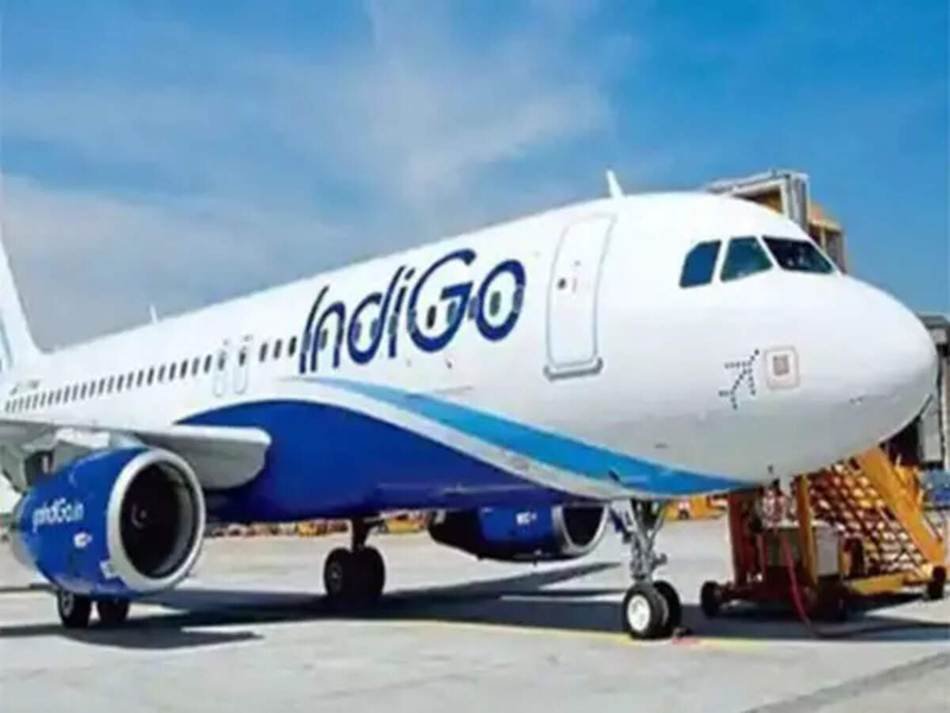
IndiGo launches flight operations from Hindon Airport ...
Understanding IndiGo's Current Operational Crisis
The December 2025 Disruptions Timeline
The new cancellations represent a continuation of IndiGo's severe operational challenges that began earlier in December 2025. The airline faced a compounding crisis when it canceled nearly 4,500 flights between December 1-9, creating what regulators and industry observers have called the most significant aviation disruption in India's recent history.[1]
Crisis Timeline:
· December 2-5: Peak disruption period with over 1,600 flights canceled on December 5 alone
· December 5: IndiGo initiated a "network reboot" strategy, temporarily canceling significant flights to decongest airports
· December 6-8: Operations began gradually normalizing, though disruptions continued
· December 9: DGCA ordered a 10% reduction in IndiGo's flight schedule
· December 10-25: Winter fog season begins, bringing additional operational challenges
· December 26 onwards: Continued cancellations (67 flights canceled on Thursday)
The scale of these disruptions has impacted every major airport in India, with the crisis occurring during India's peak wedding season, compounding passenger inconvenience and economic impact.[1]
Current Operational Capacity Restrictions
Flight Schedule Reductions:[1][2]
· Original Winter Allocation: 2,144 daily domestic flights
· Current Reduced Capacity: 1,930 daily domestic flights (10% reduction mandated by government)
· Grounding Impact: Effectively removing 214 flights from daily operations
This capacity restriction represents a significant reduction for India's largest airline, which operates over 60% of India's domestic market share. The reduction directly impacts passengers and may provide competitive advantages to other carriers like Air India, SpiceJet, and Vistara.
Flight operations at Delhi's Indira Gandhi International ...
Root Causes: From Pilot Rest Rules to Weather Challenges
The Pilot Duty Time Limitation (FDTL) Rules Crisis
The initial crisis in early December stemmed from IndiGo's failure to implement new Flight Duty Time Limitation (FDTL) Phase II rules that took effect on November 1, 2025.[3][4]
The New Pilot Rest Regulations:[4][5]
The DGCA implemented stricter pilot fatigue management rules designed to protect both pilot safety and passenger security:
· Weekly Rest Increase: Extended from 36 hours to 48 hours (12-hour increase)
· Continuous Rest Requirement: Minimum 48 hours of continuous rest including two local nights
· Maximum Weekly Hours: No more than 168 hours between weekly rest periods
· Leave Calculation: Personal leave must be additional to (not counted as part of) required rest periods
· Night Flying Restrictions: Maximum 8-hour flight time and 10-hour flight duty for night operations
· Night Landing Limits: Reduced from 6 landings to 2 landings per night
IndiGo's Implementation Failure:
Despite advance notice and DGCA guidance to undertake "comprehensive manpower planning, roster restructuring, and implementation preparedness," IndiGo failed to adequately prepare crew schedules, leading to massive pilot unavailability.[6]
· Poor planning and insufficient staff for schedule changes
· Crew rostering system failures that didn't account for new rest requirements
· Inadequate pilot hiring or contract crew arrangements
· Underestimation of impact on crew availability
· Operational readiness deficiencies identified by regulators
Compounding Factors Beyond Pilot Rules
IndiGo itself identified multiple factors contributing to the crisis:[3]
1. Schedule Changes Linked to Winter Season: Adjusting flight networks for seasonal demand
2. Minor Technical Glitches: Aircraft maintenance and technical issues
3. Adverse Weather Conditions: Including fog, which becomes severe during winter
4. Increased System Congestion: Reduced capacity at major airports during peak periods
The "Unfortunate Confluence": IndiGo acknowledged in its official response to DGCA that a "compounding effect of multiple factors" and an "unfortunate and unforeseeable confluence" of circumstances created a perfect storm of operational challenges.[3]
Winter Fog Season: Navigating CAT-IIIB Technology Requirements
Winter Fog Season Framework (December 10 - February 10)
The DGCA has officially declared a winter fog season from December 10, 2025 to February 10, 2026, during which special operational procedures and equipment requirements apply to all airlines.[7][8][2]
Dense Fog Impact on Flight Operations:[8][7]
Dense fog in northern India, particularly around Delhi, creates a cascading effect on flight schedules across the entire network:
· Visibility Reduction: Fog reduces visibility to 50 meters or less at affected airports
· Capacity Degradation: Flight handling time increases from 1 minute per flight to 3+ minutes per flight
· Zero-Visibility Shutdowns: When visibility drops below CAT III requirements (below 75 meters), even equipped airports must halt operations
· Runway Limitations: Aircraft can land but cannot taxi on runways in sub-zero visibility conditions
· Alternate Diversions: Flights must be diverted to alternate airports when primary airports become unusable
CAT-IIIB Technology: Understanding Low Visibility Operations
What is CAT-IIIB?
CAT-IIIB (Category IIIB) refers to low-visibility landing operations using specialized Instrument Landing Systems (ILS). The requirement represents one of the highest levels of precision aviation technology:[7]
CAT-IIIB Specifications:
· Visibility Requirement: Can operate at visibility as low as 50 meters (compared to 200+ meters for standard operations)
· Technological Component: Specialized Instrument Landing System (ILS) that provides precise guidance during landing
· Pilot Certification: Requires specially trained pilots with specific flight hour minimums:
o Captain: Minimum 500 hours of flying experience
o First Officer: Minimum 300 hours of flying experience
· Aircraft Equipment: Aircraft must be equipped with CAT-IIIB-certified avionics and landing systems
· Ground Infrastructure: Airports must have ILS systems installed and maintained to CAT-IIIB standards
Current Infrastructure Limitations in India:[8][7]
Despite having modern aircraft, India's airport infrastructure lags behind:
· Only 6 Airports with Full CAT-IIIB: Delhi, Lucknow, Jaipur, Amritsar, Bengaluru, and Kolkata
· About 40 Airports Affected by Fog: Primarily in northern and northeastern regions
· Infrastructure Gap: Majority of aircraft are CAT-IIIB equipped, but airport systems need upgrading to facilitate operations
The Practical Limitation:[7]
Even CAT-IIIB-equipped airports face operational challenges during extreme fog:
· Zero-visibility scenarios (below 75 meters for landing, 125 meters for takeoff) require complete operational shutdown
· When visibility drops below these thresholds, airports cannot operate regardless of equipment capabilities
· During severe fog, Delhi's four runways experience severe capacity constraints, creating network-wide pile-ups
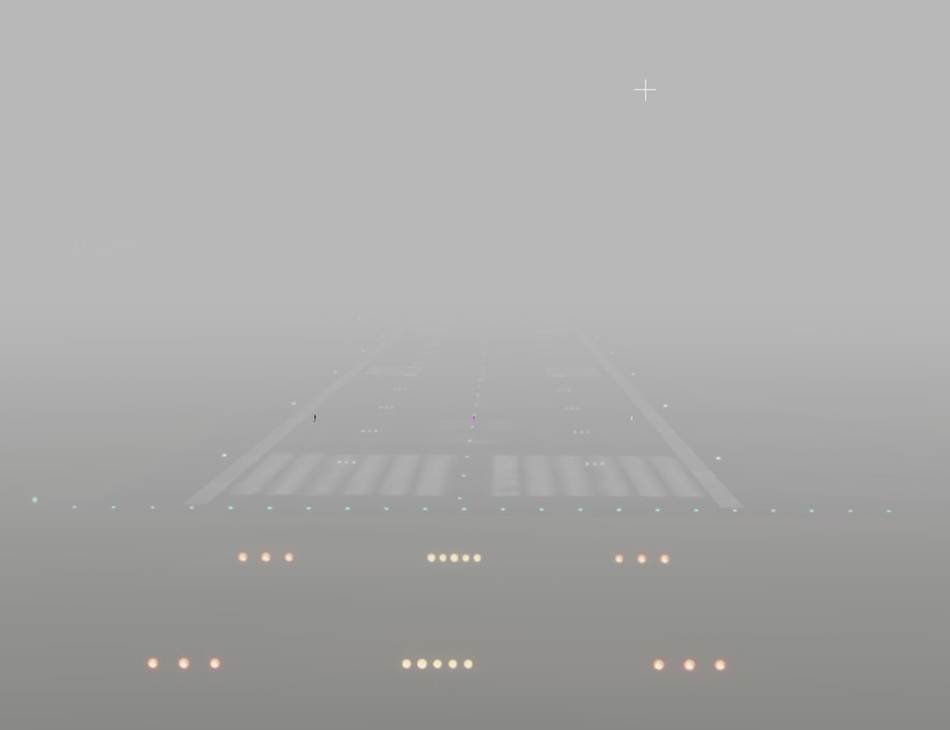
CAT 3 Low Visibility Landing | A320 Simulator
Affected Airports and Impact Zones
Airports Directly Affected by December 26 Cancellations:[2]
· Agartala (Northeast): Limited CAT-IIIB infrastructure
· Chandigarh (North): Vulnerable to winter fog patterns
· Dehradun (North): High altitude, prone to fog and weather disruptions
· Varanasi (Central): Regional hub affected by network congestion
· Bengaluru (South): Major hub with weather-related disruptions
Alternate Diversion Airports:
When primary airports are affected by dense fog, flights are diverted to:
· Jaipur
· Ahmedabad
· Lucknow
· Nagpur
· Bhopal
· Indore
These diversions create additional operational complexity, increased ground handling costs, and passenger inconvenience.
DGCA Investigation: Four-Member Probe Panel
Investigation Scope and Leadership
The Directorate General of Civil Aviation has constituted a four-member panel to investigate the root causes of IndiGo's massive operational disruptions and assess the airline's preparedness for future operations.[6][9]
Investigation Panel Composition:[9]
· Joint Director General: Sanjay K Brahmane (Lead)
· Deputy Director General: Amit Gupta
· Senior Flight Operations Inspector: Kapil Manglik
· Flight Operations Inspector: Lokesh Rampal
The panel has been tasked with:
1. Identifying Root Causes: Determining underlying causes leading to widespread operational disruptions
2. Implementation Preparedness Review: Assessing IndiGo's readiness for FDTL Phase II implementation
3. Compliance Analysis: Reviewing IndiGo's compliance with new FDTL rules and identifying compliance gaps
4. Oversight Deficiencies: Examining deficiencies in internal oversight, operational preparedness, and compliance planning
5. Mitigation Measures: Reviewing measures taken by IndiGo to restore flight operations
6. Adequacy Assessment: Evaluating whether IndiGo is taking adequate steps for operational restoration
Submission Timeline:[9]
The panel has been directed to submit its comprehensive report within two weeks of formation, allowing for urgent regulatory decision-making.
Executive Leadership Interrogation
Key Interviews Completed:[10][9]
IndiGo's leadership has been summoned and questioned:
· CEO: Pieter Elbers
· Chief Operating Officer: Isidro Porqueras (also listed as Isidre Porqueras)
These senior executives provided testimonies regarding operational planning, crew rostering, and implementation preparedness that form critical components of the investigation.
Regulatory Response and Show-Cause Notice
DGCA Show-Cause Notice:[3]
The DGCA issued a formal notice requiring IndiGo to provide written response to specific operational violations and lapses. The airline submitted its official response on December 8, 2025, at 6:01 PM, just before the DGCA's firm 6 PM deadline.
IndiGo's Official Response Highlights:[3]
· Expressed "deep regret and apologies" to affected customers
· Attributed disruptions to "compounding effect of multiple factors"
· Requested more time (15 days per DGCA manual) for comprehensive Root Cause Analysis (RCA)
· Identified preliminary contributing factors including technical glitches, weather, crew rostering rules, and system congestion
· Described network reboot strategy as "drastic measure" to assist stranded passengers and decongest airports
Hand-Flying a Category IIIA approach and landing with almost ...
Passenger Impact and Regulatory Protections
Affected Passengers and Travel Disruptions
The cascading effect of IndiGo's operational crisis has severely impacted millions of passengers:[1][6][2]
Peak Crisis Impact (Early December):
· Nearly 4,500 flights canceled over 10-day period
· Hundreds of thousands of passengers stranded or disrupted
· Peak wedding season compounded by travel chaos
· Widespread inconvenience for passengers traveling for emergencies, exams, and business
Current Ongoing Impact:
· 67 flights canceled on December 26 alone
· Continued capacity constraints limiting rebooking options
· Network congestion affecting alternate routes
Passenger Rights and Mandated Protections
DGCA and Civil Aviation Ministry Directives:[6]
Following the crisis, authorities mandated specific passenger care requirements:
1. Automatic Refunds: Full refunds for canceled flights must be processed automatically
2. Meal and Refreshments: Provision of meals and refreshments during extended delays
3. Hotel Accommodation: Arranging hotel stays for stranded passengers with prolonged delays
4. Local Transport: Arranging transportation between airports and hotels
5. Priority Assistance: Enhanced support for senior citizens and differently-abled passengers
6. Timely Notifications: Regular, accurate updates to all affected passengers
Compensation Considerations:
· While DGCA-mandated compensation for weather-related disruptions differs from operational failures
· Passengers have grounds to pursue compensation if failures were operational rather than weather-related
· Documentation and appeals are essential for passengers affected
To prevent excessive price gouging by competing airlines during the crisis, the Civil Aviation Ministry imposed airfare caps on certain routes to protect consumers from exploitative pricing.
Comparative Operational Response: IndiGo vs. Air India
Air India's Proactive Winter Fog Preparation
In contrast to IndiGo's challenges, Air India has implemented comprehensive preparedness measures for the winter fog season:[8]
Air India's Strategic Initiatives:[8]
1. Crew Training Program: Enhanced CAT III B crew rostering with specialized training
2. Aircraft Positioning: Deploying CAT-IIIB-certified aircraft at strategic fog-prone locations
3. Backup Crew Arrangements: Maintaining standby crews to handle operational contingencies
4. Ground Infrastructure: Coordinating with airport partners to enhance passenger support systems
5. Real-Time Management: Operating Integrated Operations Control Centre round-the-clock
6. Passenger Communication: SMS, WhatsApp, and email alerts for weather-related information
7. Care Packages: Providing refreshments and essentials to stranded passengers
8. Fog Care Initiative: Allowing passengers to reschedule or request refunds without penalty
Key Difference:
Air India's transparent communication, advance planning, and infrastructure investment stand in stark contrast to IndiGo's failure to prepare for foreseeable regulatory and seasonal challenges.[8]
Passenger checking flight status at airport information ...
Regulatory and Industry Implications
Accountability and Potential Penalties
Civil Aviation Minister's Statement:[6]
Civil Aviation Minister Ram Mohan Naidu Kinjarapu stated: "Accountability will be fixed, and measures will be taken to prevent future disruptions."
Potential Regulatory Actions:[1][9][6]
· Investigation completion report with findings
· Show-cause notices and formal regulatory actions
· Possible financial penalties for operational failures
· Enhanced oversight and compliance monitoring
· Mandatory operational audits before capacity increases
· Consideration of CEO/COO accountability
Systemic Aviation Sector Issues Exposed
The IndiGo crisis has revealed several systemic vulnerabilities in India's aviation sector:
1. Airport Infrastructure Gaps: Only 6 of 40 fog-affected airports have CAT-IIIB capability
2. Pilot Availability Planning: Airlines may not have adequate contingency planning for regulatory changes
3. Regulatory-Industry Communication: Need for clearer pre-implementation guidance and compliance monitoring
4. Schedule Optimization: Reduced capacity due to safety regulations requires smarter scheduling
Following questions about DGCA's oversight, the authority terminated four contracted flight operations inspectors and returned them to parent organizations, indicating accountability measures beyond airline actions.[1]
Industry Updates and Competitive Dynamics
IndiGo's Current Market Position:[1]
· Controls approximately 60% of India's domestic flight market
· Single largest disruption affects entire competitive landscape
· Competitors gain temporary capacity and market share advantages
· Potential long-term reputation damage affecting future bookings
Other Airlines' Operational Status
While IndiGo continues managing disruptions:
· Air India: Operating normal schedules with enhanced fog preparedness
· SpiceJet: Unaffected by operational challenges
· Vistara: Maintaining regular operations
· Akasa Air: Growing capacity and operations
The disruption provides opportunities for competitors to capture market share and demonstrate operational reliability.
Before Travel:[2]
Passenger checking flight status at airport information ...
· Check IndiGo's official website for real-time flight status
· Monitor airport flight information displays (FIDS) for updates
· Download airline app for push notifications
· Check DGCA advisories for winter fog season alerts
Weather-Related vs. Operational Cancellations
Understanding the Difference:
· Weather Cancellations: Bad weather or fog beyond airline control (limited compensation rights)
· Operational Cancellations: Airline failures in planning or execution (stronger compensation claims)
Review your booking confirmation and cancellation notices to identify the specific reason.
Booking Strategy Recommendations
For Winter Travel (December 10 - February 10):
· Allow extra buffer time between connections
· Avoid non-stop flights from fog-prone airports if alternatives exist
· Consider early morning flights (less fog accumulation)
· Book with flexibility for changes and diversions
· Maintain travel insurance with comprehensive coverage
FAQ: Common Questions About Flight Cancellations
Q: Will my flight be canceled due to fog?
A: Not necessarily. Major hub airports like Delhi have CAT-IIIB capability. Check weather forecasts and contact your airline for updates.
Q: Am I entitled to compensation for fog-related cancellations?
A: DGCA regulations typically classify weather events as "acts of God." However, document all disruptions for potential claims if operational failures contributed.
Q: Should I rebook immediately or wait for status updates?
A: Many airlines honor rebooking requests within days. Contact the airline first—don't immediately rebook on other carriers unless certain your flight will be canceled.
Q: How will IndiGo manage operations going forward?
A: With DGCA oversight and pilot rest exemptions (through February 2026), operations should gradually normalize. The 10% capacity reduction will constrain supply.
Q: What's the impact of reduced flight capacity?
A: Fewer available seats mean higher prices and difficulty booking last-minute flights. Book early for better options.
Q: When will normal operations resume?
A: IndiGo expects stabilization by mid-to-late December. Winter fog season (through February 10) will continue creating occasional disruptions.
Conclusion: A Turning Point for Indian Aviation Oversight
IndiGo's December 2025 crisis—continuing with Thursday's cancellation of 67 flights—represents a watershed moment for aviation regulation in India. The combination of failed pilot duty time rule implementation, winter fog season challenges, and operational unpreparedness has exposed both airline planning deficiencies and regulatory gaps.
Key Takeaways:
1. Regulatory Compliance Matters: Airlines must genuinely prepare for regulatory changes, not merely acknowledge them
2. Winter Flying Requires Planning: Infrastructure upgrades (CAT-IIIB at more airports) and crew training are non-negotiable
3. Passenger Protection: DGCA-mandated passenger care requirements provide essential protections during disruptions
4. Accountability Critical: DGCA investigation and potential penalties signal increased oversight of operational reliability
5. Competitive Dynamics Shifting: IndiGo's struggles create opportunities for Air India and other competitors to demonstrate superior operational capability
As the winter fog season progresses through February 2026, travelers should monitor DGCA advisories, check real-time flight status, and allow extra buffer time for potential disruptions. While weather-related disruptions are inevitable, the IndiGo crisis demonstrates that proper planning and regulatory compliance can significantly minimize impact on passengers and operations.
The aviation sector will be watching closely as the DGCA investigation concludes and regulatory measures take effect—signaling whether India's aviation oversight has moved toward stricter accountability or reverted to business-as-usual practices.

Post your opinion
No comments yet.