6 Best Magnesium-Rich Foods to Prevent Fatty Liver: Expert-Approved Guide to Liver Health
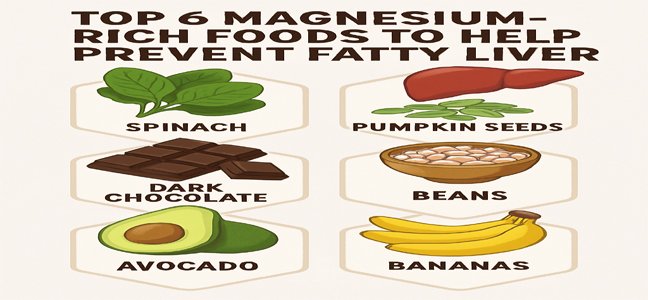
Magnesium does a lot more in your body than most people realize. It’s behind the scenes in hundreds of different reactions, especially the ones that keep your metabolism and mitochondria running smoothly. Your liver, which is basically the body’s metabolic powerhouse, needs plenty of magnesium to work right and stop fat from building up where it shouldn’t.
There’s a pretty clear link between magnesium levels and liver health. People with low magnesium often end up dealing with liver problems, and keeping your magnesium up helps protect against fatty liver. Magnesium tackles this in a couple of ways. It keeps your insulin sensitivity in check and calms down inflammation—two things that matter a lot if you want to avoid metabolic issues like MASLD. If you’re not getting enough magnesium, your liver just can’t handle fats properly. That’s when fat starts piling up inside liver cells. On top of that, magnesium keeps your mitochondria humming, which is key for making energy and keeping your cells healthy. Studies even show that when people boost their magnesium intake, their liver fat goes down. So, there’s a real, direct connection between magnesium and a healthier liver.

Pumpkin Seed Avocado Dip
1. Pumpkin Seeds with Avocado
Pumpkin seeds pack a serious magnesium punch—about 262 mg per 100 grams. They’re not just loaded with magnesium; they come with other good-for-you nutrients, too. Toss in some avocado, and now you’ve got a creamy, satisfying mix with even more magnesium and healthy monounsaturated fats. Together, this combo does a lot for your liver. It helps balance your cholesterol, boosts your antioxidant defenses, and keeps inflammation in check.
It’s easy to mix them into your meals. Throw pumpkin seeds and avocado into a salad, blend them into a smoothie bowl, or pile them onto whole grain toast for breakfast. The magnesium and healthy fats work together, giving your liver the support it needs to recover and stay protected from fat buildup.
Spinach Salad
2. Spinach with Olive Oil
Spinach is one of those dark leafy greens that really packs a punch when it comes to nutrients, especially for your liver. Just a cup of cooked spinach gives you a good dose of magnesium, plus a bunch of important vitamins, minerals, and those plant compounds that help your liver do its job. Add some extra virgin olive oil—loaded with polyphenols and omega-9s—and you boost those benefits even more. The two work together to calm inflammation and keep your liver healthy.
Mixing spinach and olive oil gives your liver support from a few different angles. Olive oil’s anti-inflammatory compounds team up with spinach’s magnesium and other nutrients to help lower liver fat and improve how your body handles insulin. Want the most out of this combo? Toss them in salads, sauté spinach with olive oil as a side, or stir both into soups and veggie dishes. Your liver will thank you.
Black Bean Soup
3. Black Beans (Rajma)
Black beans—rajma if you’re talking Indian food—are a powerhouse when it comes to plant-based magnesium. A cooked cup gives you somewhere between 110 and 170 mg. But they’re more than just magnesium: black beans pack a punch with fiber, protein, and polyphenols, all working together to boost liver health and keep your metabolism running smoothly. The resistant starch in these beans feeds your gut microbiome, which, as research keeps proving, plays a huge role in preventing fatty liver disease.
What really stands out about black beans is the way they help your body handle fats. They support healthy lipid metabolism and keep triglycerides from building up in your liver. The fiber keeps you full longer, making it easier to manage your weight—key for keeping fatty liver at bay. Toss black beans into a curry, a salad, a soup, or just serve them up as a protein-rich side. With their mix of magnesium, fiber, and polyphenols, black beans are a true all-rounder when it comes to protecting your liver.
Does Dark Chocolate Have Magnesium?
4. Dark Chocolate
If you’ve got a sweet tooth, dark chocolate (think 70% cocoa or higher) is a tasty way to boost your magnesium. One ounce gives you about 67 mg of magnesium, plus you get a bunch of antioxidants and anti-inflammatory compounds along for the ride. Those flavonoids and polyphenols aren’t just fancy words—they actually support your heart and your liver.
Research shows the good stuff in dark chocolate can improve insulin resistance and calm down inflammation in your liver. The flavonoids in cocoa help your blood vessels work better and cut down on oxidative stress, both big deals when it comes to keeping fatty liver disease from getting worse.
You don’t have to eat a ton—just an ounce or two a day, as part of a balanced diet, gets you that magnesium and a dose of helpful plant compounds. Try dark chocolate with some berries or banana slices if you want to up the nutrition even more and sneak in a little extra magnesium.
Set of nuts - peanuts, cashews, almonds,…
5. Edamame (Young Green Soybeans)
Edamame packs a great mix of protein and magnesium, so it’s a smart choice if you want to keep fatty liver disease at bay. Just one cup of cooked edamame gives you about 99 mg of magnesium and a solid dose of complete plant-based protein. That’s especially helpful for vegetarians and vegans. The protein keeps your muscles strong and your metabolism humming, while the magnesium helps with everything from regulating how your body uses energy to calming inflammation.
There’s more to edamame, though. Soy isoflavones—those unique compounds you only find in soybeans—have shown real promise in protecting the liver. Research links them to less liver fat and better glucose handling. You can snack on edamame straight, toss it into salads, stir-fries, or grain bowls—whatever works for you. It’s an easy and tasty way to get more magnesium. Thanks to the combo of protein and magnesium, edamame helps you maintain a healthy body and steer clear of metabolic trouble.
Chiba Green Organic Edamame
6. Almonds and Cashews
Almonds and cashews pack a punch when it comes to magnesium, plus they bring along other nutrients that help your liver do its job. If you grab a one-ounce handful of almonds, you’re getting about 76 mg of magnesium. Cashews are right in that same ballpark. Both nuts are loaded with vitamin E too, which is a fat-soluble antioxidant known for protecting the liver. That combo—magnesium and vitamin E—really works together to shield your liver, especially from fatty liver disease.
Vitamin E steps in to fight off free radicals, the troublemakers behind liver inflammation and fat buildup. At the same time, magnesium keeps your metabolism humming, so fat doesn’t pile up in your liver. Studies back this up: people who eat more vitamin E tend to have better liver numbers and a lower risk of their fatty liver disease getting worse.
It doesn’t take much to get these benefits. Just a small handful of almonds or cashews—about 23 to 30 nuts—makes a great snack. Or toss them into salads, yogurt, or smoothie bowls. It’s an easy way to give your liver a little extra support.
Arugula-Avocado Salad with Pumpkin Seeds
How Much Magnesium Do You Need for a Healthy Liver?
The Indian Council of Medical Research says adults should get between 370 and 440 mg of magnesium a day, depending on age and gender. Women over 18 need 370 mg, but if you’re pregnant, you should aim for 440 mg, and if you’re breastfeeding, 400 mg does the trick. Men over 18 need a bit more—440 mg every day.
Getting your magnesium from real food is the way to go. Whole foods don’t just give you magnesium—they come packed with fiber, antioxidants, and other nutrients that all work together to help your liver stay healthy. Skip the supplements if you can. When you eat magnesium-rich foods, your body absorbs it better and you get all those extra perks that supplements just can’t match.
How These Foods Really Help Your Liver, Not Just Because of Magnesium
These six foods do a lot more for your liver than just deliver magnesium. They’re packed with polyphenols, which fight chronic inflammation—something that really pushes liver disease along. They’ve got plenty of fiber, too. That’s good news for your gut bacteria, which, as it turns out, play a big part in how well your metabolism and liver work. Then there are the antioxidants. Those go after oxidative stress, the stuff that leads to fatty buildup and scarring in your liver.
Magnesium-rich, plant-based foods also come with other handy compounds that help your body handle sugar better and keep your insulin sensitivity up. That’s key, since metabolic problems are behind most fatty liver cases. When you work these foods into a Mediterranean-style or whole-food diet, you set the stage for your liver to heal and protect itself against fat buildup.
Real-World Tips for Eating More Magnesium
Keeping your liver healthy isn’t about a one-time fix; it’s all about what you eat day in and day out. Try adding a magnesium-rich food to every meal—say, pumpkin seeds at breakfast, a spinach salad at lunch, beans with dinner. You’ll hit your magnesium goals without even thinking about it, and your meals stay interesting. The less you process these foods, the more nutrients and good stuff you keep.
Plan ahead so these foods are always within reach. Cook a big batch of black beans and store them for quick meals. Prep spinach salads ahead of time. Portion out nuts so you can grab them on the go. When you combine a few magnesium-rich foods in one meal—like spinach, pumpkin seeds, and olive oil in a salad—you get even better nutrition and more liver support.
Why Nutrition Matters for Your Liver
There’s no question here: Magnesium-rich foods are a proven way to keep your liver healthy and even help it recover from fatty liver disease. Add these six foods—pumpkin seeds, avocado, spinach, olive oil, black beans, dark chocolate, edamame, almonds, and cashews—to your daily routine, and you’re giving your liver what it needs to work its best and guard against fat buildup.
Your liver affects just about everything, from your energy to your risk for disease. Don’t wait until problems show up. Take charge now. Put these foods on your grocery list and work them into your meals. Aim for 370 to 440 mg of magnesium a day. And don’t stop there—move your body, keep your weight in check, and cut back on processed foods for full-on liver protection.
Lasting change doesn’t happen overnight, but it sticks when you make it work for you. Start with the magnesium-rich foods you actually like, then bring in the others as you go. Before long, these foods will be the backbone of your diet, not just keeping fatty liver at bay, but lifting your overall health. Your liver—and honestly, the rest of your body—will thank you.

Post your opinion
No comments yet.