The Ultimate Guide to Optimizing Your Sleep: Science-Backed Strategies for Better Rest in 2024
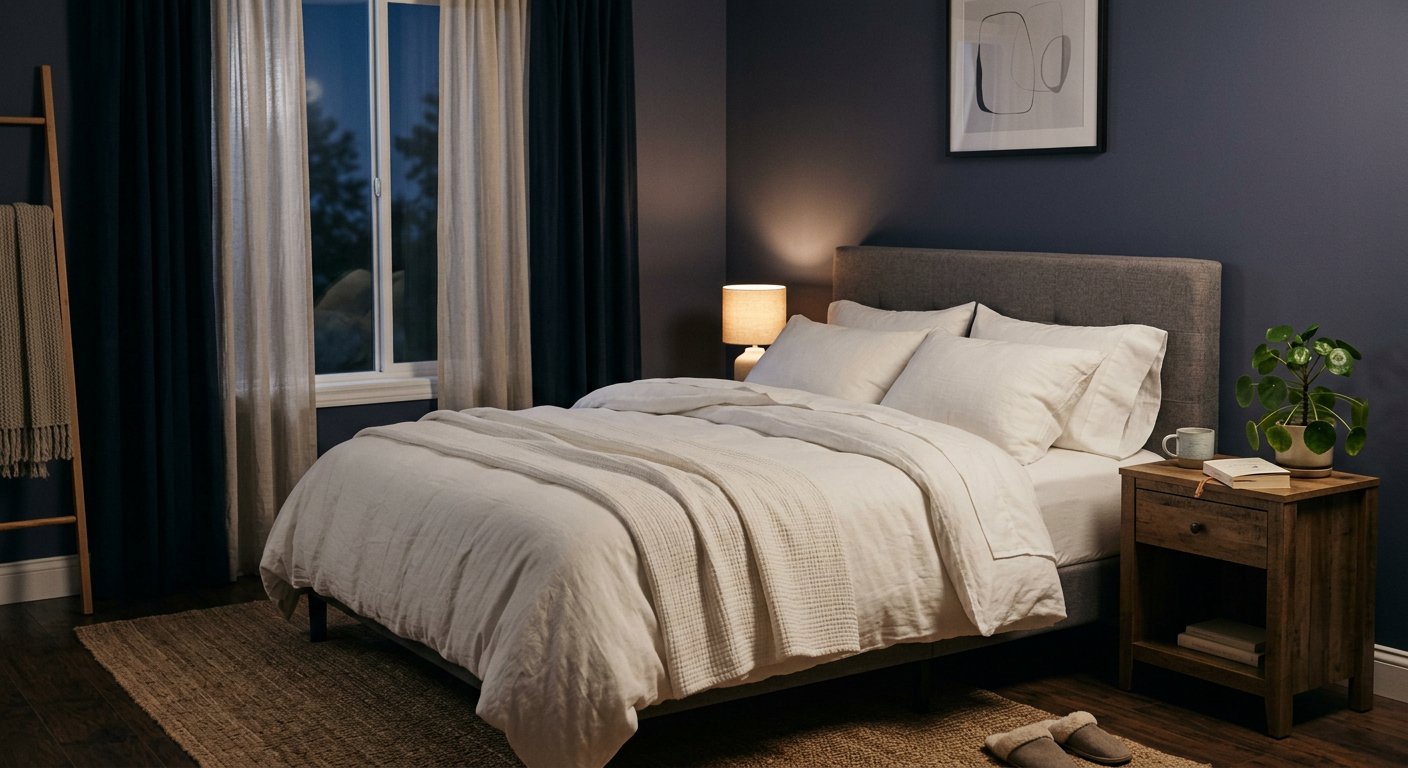
Why Sleep Optimization Matters More Than Ever
In an era defined by round-the-clock connectivity, artificial lighting, and relentless productivity culture, sleep has become one of the most neglected aspects of human health. Despite decades of scientific research confirming that sleep is as essential as nutrition and exercise, a staggering number of adults worldwide consistently fail to get the recommended amount of quality rest.
The consequences of poor sleep extend far beyond morning grogginess. Chronic sleep deprivation has been linked to an increased risk of cardiovascular disease, obesity, type 2 diabetes, depression, weakened immune function, and even neurodegenerative conditions like Alzheimer's disease. On the flip side, consistently good sleep enhances memory consolidation, emotional regulation, physical recovery, creativity, and overall longevity.
The good news? Sleep is not a fixed trait — it is a skill that can be optimized. By understanding the science behind how sleep works and implementing targeted, evidence-based strategies, virtually anyone can improve the quality and duration of their nightly rest.
This guide brings together the latest research from sleep scientists, neurologists, and behavioral experts to give you a complete, actionable roadmap for optimizing your sleep — starting tonight.
Understanding Sleep: What Happens When You Close Your Eyes
Before diving into optimization strategies, it's essential to understand what actually happens during sleep. Far from being a passive state of unconsciousness, sleep is a dynamic, highly organized process during which your brain and body perform critical maintenance functions.
The Architecture of Sleep: Stages and Cycles
Sleep is divided into two main categories: non-rapid eye movement (NREM) sleep and rapid eye movement (REM) sleep. Within NREM sleep, there are three distinct stages, each serving unique biological functions.
Stage 1 (N1) — Light Sleep:
This is the transitional phase between wakefulness and sleep. It typically lasts only a few minutes and is characterized by slowing heart rate, relaxing muscles, and drifting thoughts. During this stage, you can be easily awakened.
Stage 2 (N2) — Intermediate Sleep:
This stage accounts for roughly 50% of total sleep time in adults. Body temperature drops, heart rate slows further, and brain activity features distinctive patterns called sleep spindles and K-complexes. These neural bursts are believed to play a role in memory consolidation and protecting sleep from external disturbances.
Stage 3 (N3) — Deep Sleep (Slow-Wave Sleep):
Often considered the most restorative stage, deep sleep is when the body releases growth hormone, repairs tissues, strengthens the immune system, and clears metabolic waste from the brain through the glymphatic system. This stage is most prevalent during the first half of the night and becomes harder to achieve as we age.
REM Sleep — The Dream Stage:
REM sleep is characterized by rapid eye movements, increased brain activity (similar to waking levels), temporary muscle paralysis, and vivid dreaming. This stage is crucial for emotional processing, creativity, and the integration of new learning with existing memories. REM sleep becomes more prevalent in the second half of the night.
How Sleep Cycles Work
A complete sleep cycle — progressing through N1, N2, N3, and then REM — takes approximately 90 to 110 minutes. Most adults cycle through four to six of these cycles per night. Importantly, the composition of each cycle shifts throughout the night: early cycles are dominated by deep sleep, while later cycles feature longer periods of REM sleep.
This architecture explains why cutting sleep short — even by an hour or two — disproportionately robs you of REM sleep, which is concentrated in the final cycles of the night.

How Much Sleep Do You Actually Need?
One of the most common questions in sleep science is deceptively simple: how much sleep is enough? The answer depends primarily on age, but individual variation also plays a role.
Sleep Duration Recommendations by Age
According to the National Sleep Foundation and the American Academy of Sleep Medicine, the recommended sleep durations are:
|
Age Group |
Recommended Sleep Duration |
|
Newborns (0–3 months) |
14–17 hours |
|
Infants (4–11 months) |
12–15 hours |
|
Toddlers (1–2 years) |
11–14 hours |
|
Preschoolers (3–5 years) |
10–13 hours |
|
School-age children (6–13 years) |
9–11 hours |
|
Teenagers (14–17 years) |
8–10 hours |
|
Young adults (18–25 years) |
7–9 hours |
|
Adults (26–64 years) |
7–9 hours |
|
Older adults (65+ years) |
7–8 hours |
Quality vs. Quantity
While duration matters, sleep quality is equally — if not more — important. You could spend eight hours in bed but experience fragmented, shallow sleep that leaves you feeling unrefreshed. Markers of good sleep quality include:
- Falling asleep within 15–20 minutes of lying down
- Sleeping through the night with minimal awakenings
- Waking up feeling rested and alert
- Spending sufficient time in deep sleep and REM sleep
The Myth of "I Only Need Five Hours"
Some people proudly claim they function perfectly on five or six hours of sleep. While a tiny fraction of the population (estimated at less than 1%) carries a rare genetic mutation (in the DEC2 or ADRB1 genes) that allows them to thrive on minimal sleep, the vast majority of people who believe they've adapted to short sleep are actually experiencing chronic sleep deprivation without recognizing it. Research shows that subjective perception of sleepiness plateaus after several days of sleep restriction, even as cognitive performance continues to decline.
The Science of Your Body Clock: Circadian Rhythms and Chronotypes
What Is Your Circadian Rhythm?
Your circadian rhythm is an internal biological clock that operates on a roughly 24-hour cycle, governing not only when you feel sleepy and alert but also influencing hormone release, body temperature, digestion, and immune function. This master clock, located in the suprachiasmatic nucleus (SCN) of the hypothalamus, takes its primary cue from light exposure.
When light enters your eyes, photosensitive retinal ganglion cells send signals to the SCN, which in turn suppresses the production of melatonin — the hormone that promotes sleepiness. As darkness falls, melatonin production ramps up, signaling to your body that it's time to prepare for sleep.
Understanding Your Chronotype
Not everyone's circadian rhythm is set to the same schedule. Your chronotype — your natural predisposition toward being a morning person or an evening person — is largely determined by genetics.
- Morning chronotypes ("larks"): Naturally wake early, feel most alert in the morning, and prefer to go to bed early.
- Evening chronotypes ("owls"): Naturally stay up late, struggle with early mornings, and hit peak performance later in the day.
- Intermediate chronotypes: Fall somewhere in between, representing the majority of the population.
Understanding your chronotype can help you structure your day for optimal performance and align your sleep schedule with your biology rather than fighting against it.

How to Optimize Your Sleep: Evidence-Based Strategies
Now that you understand the science behind sleep, let's explore the practical, research-backed strategies you can implement to dramatically improve your sleep quality and duration.
1. Master Your Light Exposure
Light is the single most powerful signal influencing your circadian rhythm. Managing your exposure to both natural and artificial light is arguably the most impactful change you can make for better sleep.
Morning Light Exposure:
Getting bright light exposure — ideally natural sunlight — within the first 30 to 60 minutes of waking sends a strong signal to your circadian clock that the day has begun. This helps set the timing of your melatonin release approximately 14 to 16 hours later, making it easier to fall asleep at the right time in the evening.
Aim for at least 10 to 20 minutes of outdoor light exposure on a sunny day, or 30 minutes or more on overcast days. Even on a cloudy morning, outdoor light intensity (approximately 10,000 lux) far exceeds typical indoor lighting (around 200–500 lux).
Evening Light Restriction:
In the hours leading up to bedtime, minimizing exposure to bright light — particularly blue-wavelength light emitted by smartphones, tablets, computers, and LED screens — is critical. Blue light is especially effective at suppressing melatonin production and delaying your circadian clock.
Practical strategies include:
- Dimming household lights 2–3 hours before bed
- Using blue light-blocking glasses or enabling night mode on devices
- Switching to warm-toned, low-wattage bulbs in the evening
- Avoiding screens for at least 30–60 minutes before sleep
- Using blackout curtains or a quality sleep mask to ensure total darkness in the bedroom
2. Optimize Your Bedroom Temperature
Temperature is another critical and often overlooked factor in sleep quality. Your body's core temperature naturally drops by about 1–1.5°C (2–3°F) as you transition from wakefulness to sleep, and this decline is necessary for initiating and maintaining deep sleep.
Research consistently shows that the ideal bedroom temperature for most adults falls between 15.5°C and 19.5°C (60–67°F). A room that is too warm inhibits the natural thermoregulatory processes that facilitate sleep onset and reduces time spent in deep sleep.
Additional temperature-related strategies:
- Take a warm bath or shower 1–2 hours before bed: Counterintuitively, warming the skin's surface causes blood vessels to dilate (vasodilation), which accelerates core body temperature cooling — the very signal your body needs to initiate sleep. Studies have shown this can reduce sleep onset latency by up to 36%.
- Choose breathable bedding: Natural fibers like cotton, linen, and wool help regulate body temperature throughout the night.
- Keep feet warm: Wearing socks or using a hot water bottle at the feet promotes vasodilation, which helps accelerate core body cooling.
3. Establish a Consistent Sleep Schedule
One of the most powerful yet simple strategies for better sleep is maintaining a consistent sleep-wake schedule — going to bed and waking up at roughly the same time every day, including weekends.
Irregular sleep schedules disrupt your circadian rhythm, leading to a phenomenon researchers call "social jet lag" — a chronic misalignment between your biological clock and your social schedule. Studies have linked social jet lag to increased risks of obesity, metabolic dysfunction, cardiovascular disease, and mood disorders.
Tips for maintaining consistency:
- Set a fixed wake-up time and stick to it, even on days off
- Work backward from your desired wake time to determine your ideal bedtime
- Use gentle alarm clocks or sunrise-simulating lights to wake up more naturally
- Avoid the temptation to "catch up" on sleep during weekends, as this perpetuates the cycle of circadian disruption
4. Create a Pre-Sleep Wind-Down Routine
Your brain cannot switch from high-alert mode to deep sleep instantaneously. Creating a consistent wind-down routine in the 30 to 60 minutes before bed signals to your nervous system that it's time to transition from sympathetic ("fight or flight") activation to parasympathetic ("rest and digest") dominance.
Effective wind-down activities include:
- Reading a physical book (not on a backlit screen)
- Gentle stretching or restorative yoga
- Meditation or deep breathing exercises (such as the 4-7-8 technique)
- Journaling or writing a to-do list for the next day (research shows this reduces pre-sleep worry)
- Listening to calming music, podcasts, or audiobooks
- Progressive muscle relaxation — systematically tensing and releasing muscle groups
Avoid stimulating activities before bed, including intense exercise, heated arguments, doom-scrolling on social media, or consuming distressing news content.

5. Watch What (and When) You Eat and Drink
Your dietary habits can significantly impact your sleep quality, both positively and negatively.
Caffeine:
Caffeine is the most widely consumed psychoactive substance in the world, and its effects on sleep are well-documented. Caffeine works by blocking adenosine receptors in the brain — adenosine being the neurochemical that builds up during wakefulness and creates "sleep pressure."
Caffeine has a half-life of approximately 5 to 7 hours, meaning that half of the caffeine from your afternoon coffee is still circulating in your system many hours later. Even if you can fall asleep after consuming caffeine, studies show it reduces total deep sleep time and sleep quality.
Best practice: Avoid caffeine after noon to 2:00 PM, depending on your sensitivity and bedtime. Be aware that caffeine is present not only in coffee but also in tea, chocolate, energy drinks, certain medications, and some soft drinks.
Alcohol:
While alcohol may help you fall asleep faster due to its sedative properties, it significantly disrupts sleep architecture. Alcohol suppresses REM sleep, increases sleep fragmentation (especially in the second half of the night), exacerbates snoring and sleep apnea, and causes dehydration. The net result is sleep that is less restorative, even if the total duration appears adequate.
Best practice: If you choose to drink, do so in moderation and stop at least 3 to 4 hours before bedtime.
Late-Night Eating:
Going to bed on a very full stomach can cause discomfort, acid reflux, and disrupted sleep. Conversely, going to bed hungry can also impair sleep quality. The ideal approach is to finish your last substantial meal 2 to 3 hours before bedtime. If you're hungry close to bedtime, opt for a small, easily digestible snack.
Sleep-Promoting Foods:
Certain foods contain nutrients that may support sleep:
- Tart cherry juice — one of the few natural dietary sources of melatonin
- Kiwi fruit — rich in serotonin and antioxidants; studies have shown it can improve sleep onset and duration
- Fatty fish (salmon, mackerel) — high in omega-3 fatty acids and vitamin D, both associated with better sleep regulation
- Nuts (almonds, walnuts) — sources of magnesium and melatonin
- Warm milk or herbal teas (chamomile, passionflower, valerian root) — long associated with relaxation and sleep promotion
6. Exercise Regularly — But Time It Right
The relationship between physical activity and sleep is well-established and bidirectional: regular exercise improves sleep quality, and good sleep enhances exercise performance and recovery.
How exercise helps sleep:
- Increases total sleep time, particularly deep sleep
- Reduces the time it takes to fall asleep
- Decreases symptoms of insomnia and anxiety
- Helps regulate circadian rhythm (especially when performed outdoors)
- Promotes natural fatigue and adenosine build-up
Timing considerations:
Moderate aerobic exercise (such as brisk walking, cycling, or swimming) can be performed at most times of day without negatively affecting sleep. However, vigorous, high-intensity exercise within 1 to 2 hours of bedtime can elevate core body temperature, heart rate, and adrenaline levels, potentially making it harder to fall asleep.
That said, recent research suggests that the impact of evening exercise on sleep is more individual than previously believed. Some people experience no negative effects from late-night workouts. If evening is the only time available to you, a moderate-intensity workout followed by a cool-down period and warm shower may still be compatible with good sleep.
Recommended goal: Aim for at least 150 minutes of moderate-intensity aerobic activity per week, in line with World Health Organization guidelines, for overall health and sleep benefits.
7. Manage Stress and Anxiety
Stress and anxiety are among the most common culprits behind poor sleep. The relationship is cyclical: stress disrupts sleep, and poor sleep increases vulnerability to stress, creating a vicious cycle that can be difficult to break.
Cognitive strategies:
- Cognitive Behavioral Therapy for Insomnia (CBT-I) is considered the gold standard treatment for chronic insomnia and is recommended as a first-line therapy even before sleep medications. CBT-I addresses the thoughts, behaviors, and habits that perpetuate sleep problems. It has been shown to be effective in 70–80% of patients.
- Stimulus control: Use your bed only for sleep and intimacy. If you can't fall asleep within 15–20 minutes, get up, go to another room, and engage in a quiet, non-stimulating activity until you feel sleepy. This breaks the association between your bed and wakefulness.
- Worry journaling: Writing down your concerns before bed can help "offload" anxious thoughts, reducing their intrusive power during the night.
- Mindfulness meditation: Regular mindfulness practice has been shown to reduce insomnia severity and improve sleep quality, particularly in people with elevated stress levels.
Physiological strategies:
- Deep breathing exercises: Techniques such as diaphragmatic breathing or the 4-7-8 method activate the parasympathetic nervous system and lower heart rate.
- Body scan meditation: Progressively directing attention to different body parts helps release physical tension.
- Limiting news and social media consumption in the evening reduces mental arousal and emotional distress before bed.

8. Optimize Your Sleep Environment
Your bedroom should be a sanctuary designed exclusively for rest. Environmental factors can make or break your sleep quality.
Key elements of an optimized sleep environment:
- Darkness: Even small amounts of ambient light can suppress melatonin production and disturb sleep. Use blackout curtains, cover LED indicator lights on electronics, and consider a high-quality sleep mask.
- Quiet: Noise disturbances are a common cause of fragmented sleep. If you live in a noisy environment, consider earplugs, a white noise machine, or a fan to create consistent background sound that masks disruptive noises.
- Comfortable mattress and pillows: Your sleep surface matters. A mattress that is too firm, too soft, or past its lifespan (typically 7–10 years) can cause discomfort and pain that disrupts sleep. Pillows should support your neck in proper alignment based on your preferred sleeping position.
- Declutter: A tidy, calm bedroom promotes relaxation. Remove work materials, exercise equipment, and other items that create mental associations with daytime stress and activity.
- Reserve the bed for sleep: Avoid working, watching television, or scrolling through your phone in bed. This strengthens the psychological association between your bed and sleep.
9. The Strategic Power of Napping
Napping is a double-edged sword. When done correctly, it can boost alertness, mood, and cognitive performance. Done incorrectly, it can sabotage your nighttime sleep.
Guidelines for effective napping:
- Keep naps short: The ideal nap duration is 10 to 20 minutes — long enough to enter Stage 1 and Stage 2 sleep, providing a refreshing boost without the grogginess (sleep inertia) that comes from entering deep sleep.
- Time naps carefully: The best time to nap is in the early to mid-afternoon (around 1:00–3:00 PM), when the natural circadian dip in alertness occurs. Napping too late in the day reduces sleep pressure and can make it harder to fall asleep at night.
- Avoid long naps if you have insomnia: For people who struggle with nighttime sleep, daytime napping may further erode sleep pressure and worsen insomnia symptoms. In such cases, it may be better to skip naps entirely and allow sleep drive to build naturally.
- "Coffee naps": Some research suggests that consuming a small amount of caffeine immediately before a short nap can enhance post-nap alertness, as the caffeine takes approximately 20 minutes to take effect — coinciding with the end of the nap.
When to Seek Professional Help: Recognizing Sleep Disorders
While lifestyle modifications can resolve many sleep issues, some sleep problems are caused by underlying medical conditions that require professional evaluation and treatment.
Common Sleep Disorders
Insomnia:
Characterized by persistent difficulty falling asleep, staying asleep, or waking too early, despite adequate opportunity for sleep. Chronic insomnia (lasting three months or more, occurring at least three nights per week) affects an estimated 10–15% of the adult population.
Obstructive Sleep Apnea (OSA):
A condition in which the upper airway repeatedly collapses during sleep, causing breathing interruptions, oxygen desaturation, fragmented sleep, and loud snoring. OSA significantly increases the risk of hypertension, heart attack, stroke, and type 2 diabetes. It is estimated that up to 80% of moderate to severe cases remain undiagnosed.
Warning signs include: loud, chronic snoring; witnessed breathing pauses during sleep; gasping or choking during sleep; excessive daytime sleepiness despite adequate sleep duration; morning headaches; and difficulty concentrating.
Restless Legs Syndrome (RLS):
An irresistible urge to move the legs, often accompanied by uncomfortable sensations, that typically worsens in the evening and during periods of inactivity. RLS can significantly delay sleep onset.
Circadian Rhythm Disorders:
Conditions such as Delayed Sleep-Wake Phase Disorder (common in adolescents and young adults) and Advanced Sleep-Wake Phase Disorder (more common in older adults) involve a misalignment between the individual's internal clock and the desired or required sleep-wake schedule.
Narcolepsy:
A neurological disorder characterized by excessive daytime sleepiness, sudden episodes of muscle weakness triggered by emotions (cataplexy), and disrupted nighttime sleep.
When to See a Doctor
Consider consulting a healthcare provider or sleep specialist if you experience:
- Persistent difficulty falling or staying asleep despite good sleep hygiene
- Loud snoring, gasping, or witnessed breathing pauses during sleep
- Excessive daytime sleepiness that interferes with daily functioning
- Unusual behaviors during sleep (sleepwalking, acting out dreams)
- Restless legs or uncomfortable sensations that prevent sleep
- Reliance on sleep medications for more than a few weeks

Common Sleep Myths — Debunked
As you work toward better sleep, it's important to separate fact from fiction. Here are some pervasive sleep myths that can actually undermine your efforts:
Myth 1: "You can train yourself to need less sleep."
Fact: While you can learn to tolerate the effects of sleep deprivation, you cannot eliminate your biological need for adequate sleep. Performance and health continue to deteriorate even when subjective sleepiness plateaus.
Myth 2: "Watching TV in bed helps me relax and fall asleep."
Fact: The light from screens suppresses melatonin, and stimulating content keeps the brain in an alert state. Falling asleep to the television often leads to lighter, more fragmented sleep.
Myth 3: "Snoring is harmless."
Fact: While occasional, light snoring may be benign, loud, chronic snoring — especially when accompanied by gasping or breathing pauses — can be a sign of obstructive sleep apnea, a serious medical condition.
Myth 4: "Alcohol helps you sleep better."
Fact: Alcohol is a sedative, not a sleep aid. It disrupts sleep architecture, suppresses REM sleep, and causes more awakenings in the second half of the night.
Myth 5: "If you can't sleep, stay in bed and try harder."
Fact: Lying awake in bed for extended periods can create a learned association between your bed and wakefulness. Sleep experts recommend getting up after 15–20 minutes and returning only when sleepy.
Myth 6: "Older people need less sleep."
Fact: Sleep needs don't significantly decrease with age, though the ability to sleep often does. Older adults still require 7–8 hours but may experience more fragmented sleep and less deep sleep.
Building Your Personal Sleep Optimization Plan
Improving your sleep doesn't require implementing every strategy simultaneously. Instead, approach it systematically:
Week 1–2: Foundation
- Set a consistent wake time and bedtime
- Get morning sunlight within 30 minutes of waking
- Dim lights and reduce screen time 1–2 hours before bed
- Set bedroom temperature to 60–67°F (15.5–19.5°C)
Week 3–4: Refinement
- Establish a 30-minute wind-down routine
- Cut caffeine after noon
- Limit alcohol and late-night meals
- Begin a regular exercise routine (at least 150 minutes per week)
Week 5+: Advanced Optimization
- Experiment with sleep tracking to identify patterns
- Practice mindfulness or relaxation techniques
- Address any persistent issues with a healthcare provider
- Consider CBT-I if insomnia persists
Conclusion: Sleep Is Not a Luxury — It's a Biological Necessity
In a culture that often glorifies busyness and sacrifices rest in pursuit of productivity, it's worth remembering a fundamental truth: sleep is not wasted time. It is an active, essential biological process that underpins virtually every aspect of your physical health, mental well-being, and cognitive performance.
The science is clear. Prioritizing sleep — and investing in evidence-based strategies to optimize it — is one of the highest-return investments you can make in your health. The strategies outlined in this guide are not theoretical abstractions; they are practical, actionable steps grounded in decades of rigorous research.
You don't need to overhaul your entire life overnight. Start with one or two changes that feel manageable, build consistency, and add more strategies over time. Your body and brain will thank you — not just tomorrow morning, but for years to come.
Sleep well. Live well.

Post your opinion
No comments yet.