Is Sabudana Good for Health? 5 Healthiest Ways to Add Tapioca Pearls to Your Diet
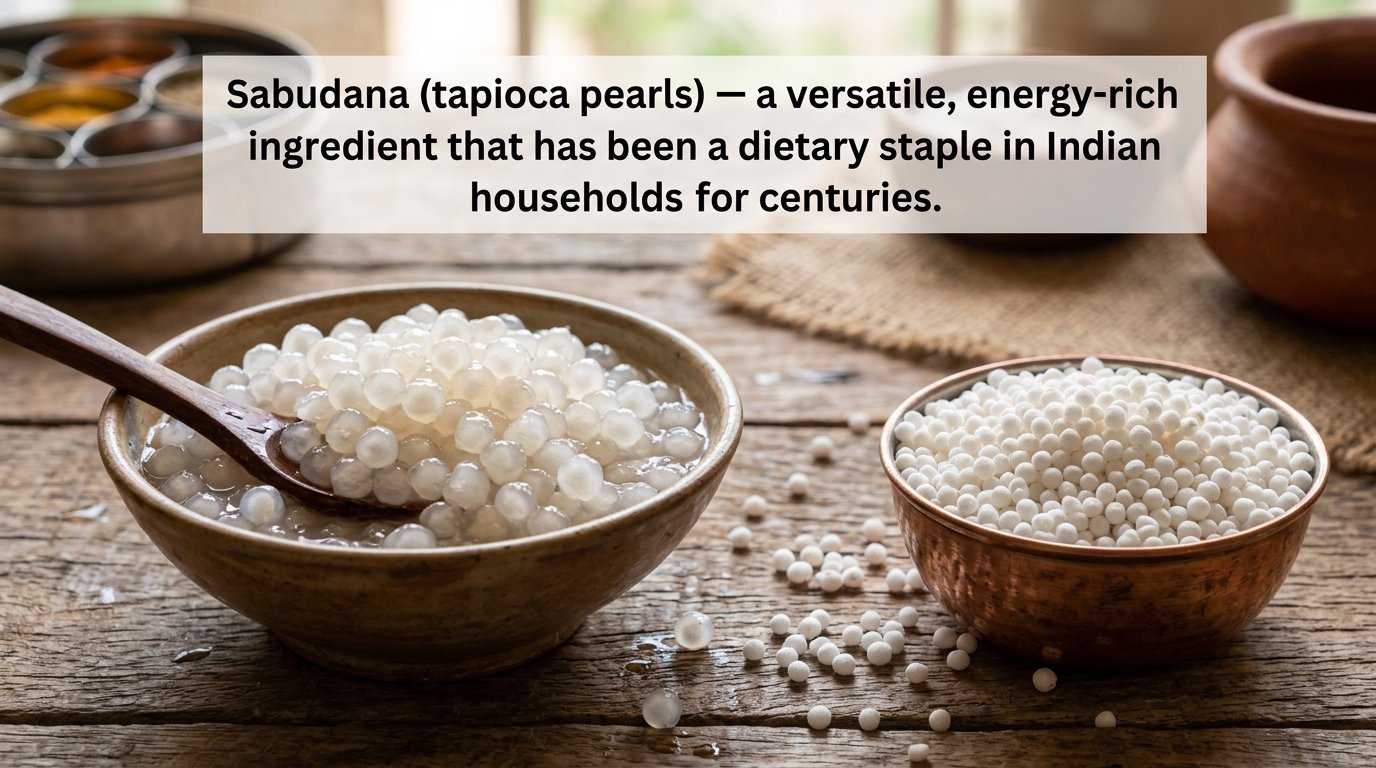
Sabudana — A Timeless Indian Superfood or Just Empty Calories?
Walk into any Indian kitchen during Navratri, Ekadashi, or other fasting periods, and chances are you'll find sabudana taking center stage. These small, translucent, pearl-like balls — known variously as sabudana, sago, or tapioca pearls — have been an integral part of Indian culinary tradition for generations. From the iconic sabudana khichdi and crispy sabudana vada to soothing sabudana kheer, this humble ingredient has earned a special place in the hearts and stomachs of millions.
But beyond its cultural and religious significance, a growing number of health-conscious consumers are asking an important question: Is sabudana actually good for health?
The answer, as with many foods, is nuanced. Sabudana offers several genuine health benefits — including quick energy, easy digestibility, and gluten-free properties — but it also comes with nutritional limitations that need to be understood. The key lies in how you prepare and consume it.
In this detailed guide, we'll break down everything you need to know about sabudana's nutritional composition, explore its health benefits and potential concerns, and share a nutritionist-approved list of the 5 healthiest ways to add sabudana to your diet so you can enjoy this beloved ingredient without compromising your wellness goals.
What Exactly Is Sabudana? Origin and Production
From Cassava Root to Tiny Pearls
Sabudana is derived from tapioca starch, which is extracted from the roots of the cassava plant (Manihot esculenta), a tropical tuber native to South America. The cassava roots are processed to extract starch, which is then shaped into the small, round, pearl-like granules that we recognize as sabudana.
In India, sabudana production is concentrated primarily in the states of Tamil Nadu, Kerala, Andhra Pradesh, and Maharashtra, where cassava cultivation thrives in the tropical climate. The production process involves several stages — washing, crushing, extracting starch, filtering, and globulating — before the final pearls are dried and packaged for commercial sale.
Other Names for Sabudana
Sabudana goes by many names across different regions and languages:
- Sago (English)
- Tapioca pearls (English)
- Sabudana / Sabu dana (Hindi)
- Javvarisi (Tamil)
- Sabbakki (Kannada)
- Saggubiyyam (Telugu)
- Chavvari (Malayalam)
Despite the different names, the product and its nutritional properties remain essentially the same.
Sabudana Nutrition Facts: What's Inside Those Tiny Pearls?
Understanding sabudana's nutritional profile is essential for evaluating its role in a healthy diet. Here's a breakdown of the key nutrients found in 100 grams of dry sabudana:
|
Nutrient |
Amount (per 100g) |
|
Calories |
~332–358 kcal |
|
Carbohydrates |
~83–88 g |
|
Protein |
~0.2–0.5 g |
|
Fat |
~0.02–0.1 g |
|
Dietary Fiber |
~0.5–1 g |
|
Calcium |
~20–30 mg |
|
Iron |
~1.5–2 mg |
|
Potassium |
~11–16 mg |
|
Sodium |
~1–2 mg |
|
Vitamin B6 |
Small traces |
|
Folate |
Small traces |
Key Nutritional Takeaways
- Very high in carbohydrates: Sabudana is almost entirely composed of starch, making it an excellent source of quick energy.
- Extremely low in protein and fat: Unlike grains, legumes, or nuts, sabudana provides negligible amounts of protein and fat.
- Low in fiber: Sabudana lacks the dietary fiber found in whole grains and vegetables.
- Low in vitamins and minerals: While it contains small amounts of calcium, iron, and potassium, sabudana is not a significant source of micronutrients.
- Naturally gluten-free: This makes sabudana safe for people with celiac disease or gluten sensitivity.
- Easy to digest: Its simple starch composition makes it gentle on the digestive system.
The bottom line? Sabudana is an energy-dense, carbohydrate-rich food that serves specific dietary purposes well but needs to be paired with nutrient-dense ingredients to create balanced, healthful meals.

Is Sabudana Good for Health? Key Benefits Explained
Despite its relatively simple nutritional composition, sabudana offers several legitimate health benefits when consumed mindfully and as part of a balanced diet.
1. Excellent Source of Quick Energy
Sabudana's high carbohydrate content makes it one of the fastest and most efficient sources of energy available. The simple starches in sabudana are rapidly broken down into glucose, providing an almost immediate energy boost. This makes sabudana particularly beneficial for:
- People observing religious fasts who need sustained energy without heavy meals
- Athletes and physically active individuals needing quick fuel before or after workouts
- Children and elderly individuals who require easily accessible energy
- People recovering from illness who need calorie-dense, easy-to-eat foods
2. Naturally Gluten-Free
For the millions of people worldwide living with celiac disease, gluten intolerance, or wheat allergies, finding safe and satisfying carbohydrate sources can be challenging. Sabudana is a naturally gluten-free food, making it an excellent alternative to wheat, barley, rye, and other gluten-containing grains.
Sabudana can be used to make gluten-free versions of many popular dishes — from breakfast porridges and snacks to desserts and even flatbreads — providing variety and enjoyment without triggering gluten-related health issues.
3. Easy to Digest
Sabudana is renowned for its gentle effect on the digestive system. Its simple starch composition is easily broken down by digestive enzymes, placing minimal stress on the stomach and intestines. This makes sabudana an ideal food for:
- People with digestive disorders such as irritable bowel syndrome (IBS), gastritis, or acid reflux
- Post-surgery or post-illness recovery when the digestive system is weak
- Infants and toddlers transitioning to solid foods
- Elderly individuals with reduced digestive capacity
- Anyone experiencing nausea, diarrhea, or appetite loss
4. Provides Sustained Fullness During Fasting
One of the reasons sabudana is so popular during religious fasts in India is its ability to provide a feeling of satiety despite being consumed in relatively small quantities. When soaked and cooked, sabudana absorbs water and swells significantly, creating a filling, satisfying meal that helps people get through long fasting hours without feeling excessively hungry or weak.
5. Supports Weight Gain for Underweight Individuals
While many people are focused on weight loss, there are individuals who struggle to gain weight due to medical conditions, high metabolism, or poor appetite. Sabudana's high caloric density makes it a useful food for healthy weight gain when consumed in adequate quantities alongside protein-rich and nutrient-dense foods.
6. Contains Small Amounts of Essential Minerals
Although not a powerhouse of micronutrients, sabudana does provide modest amounts of calcium (important for bone health), iron (essential for oxygen transport in the blood), and potassium (vital for heart function and fluid balance). While these amounts are small, they contribute to overall mineral intake, especially when sabudana is paired with nutrient-rich accompaniments.
7. Resistant Starch Benefits
When sabudana is cooked and then cooled (as in certain preparations), some of its starch converts into resistant starch — a type of starch that resists digestion in the small intestine and functions similarly to dietary fiber. Resistant starch offers several health benefits:
- Feeds beneficial gut bacteria (prebiotic effect)
- Improves gut health and regularity
- May help improve insulin sensitivity
- Can contribute to a feeling of fullness
Potential Drawbacks of Sabudana: What to Watch Out For
While sabudana has its benefits, it's important to be aware of its limitations and potential health concerns, especially when consumed in excess or prepared in unhealthy ways.
1. High Glycemic Index (GI)
Sabudana has a high glycemic index, meaning it causes a rapid spike in blood sugar levels after consumption. This can be problematic for:
- People with diabetes or prediabetes: Rapid blood sugar spikes can worsen glycemic control and increase the risk of complications.
- Individuals with insulin resistance or metabolic syndrome: High-GI foods can exacerbate these conditions.
Mitigation tip: Pairing sabudana with protein, healthy fats, and fiber-rich ingredients can slow down glucose absorption and reduce the glycemic impact of the meal.
2. Very Low in Protein
With less than 1 gram of protein per 100 grams, sabudana is an extremely poor source of this essential macronutrient. Relying heavily on sabudana without adequate protein sources can lead to:
- Muscle loss over time
- Poor satiety (protein is the most satiating macronutrient)
- Nutritional imbalances
Mitigation tip: Always combine sabudana with protein-rich ingredients like peanuts, nuts, seeds, yogurt, milk, paneer, or legumes.
3. Risk of Excessive Calorie Intake
Because sabudana is calorically dense (over 330 calories per 100 grams dry), it's easy to overconsume calories — especially when prepared with added fats, sugar, or fried preparations. This can contribute to unwanted weight gain if portions aren't managed carefully.
4. Limited Micronutrient Density
Sabudana provides very few vitamins and minerals relative to its calorie content. Relying on it as a dietary staple without complementary nutrient-dense foods can lead to micronutrient deficiencies over time.
5. Unhealthy Preparation Methods
Many popular sabudana dishes — such as deep-fried sabudana vada or sugar-laden sabudana kheer — add significant amounts of unhealthy fats, refined sugar, and excess calories to what is already a calorie-dense ingredient. The health impact of sabudana depends enormously on how it's prepared.

Is Sabudana Good for Health? Key Benefits Explained
Despite its relatively simple nutritional composition, sabudana offers several legitimate health benefits when consumed mindfully and as part of a balanced diet.
1. Excellent Source of Quick Energy
Sabudana's high carbohydrate content makes it one of the fastest and most efficient sources of energy available. The simple starches in sabudana are rapidly broken down into glucose, providing an almost immediate energy boost. This makes sabudana particularly beneficial for:
- People observing religious fasts who need sustained energy without heavy meals
- Athletes and physically active individuals needing quick fuel before or after workouts
- Children and elderly individuals who require easily accessible energy
- People recovering from illness who need calorie-dense, easy-to-eat foods
2. Naturally Gluten-Free
For the millions of people worldwide living with celiac disease, gluten intolerance, or wheat allergies, finding safe and satisfying carbohydrate sources can be challenging. Sabudana is a naturally gluten-free food, making it an excellent alternative to wheat, barley, rye, and other gluten-containing grains.
Sabudana can be used to make gluten-free versions of many popular dishes — from breakfast porridges and snacks to desserts and even flatbreads — providing variety and enjoyment without triggering gluten-related health issues.
3. Easy to Digest
Sabudana is renowned for its gentle effect on the digestive system. Its simple starch composition is easily broken down by digestive enzymes, placing minimal stress on the stomach and intestines. This makes sabudana an ideal food for:
- People with digestive disorders such as irritable bowel syndrome (IBS), gastritis, or acid reflux
- Post-surgery or post-illness recovery when the digestive system is weak
- Infants and toddlers transitioning to solid foods
- Elderly individuals with reduced digestive capacity
- Anyone experiencing nausea, diarrhea, or appetite loss
4. Provides Sustained Fullness During Fasting
One of the reasons sabudana is so popular during religious fasts in India is its ability to provide a feeling of satiety despite being consumed in relatively small quantities. When soaked and cooked, sabudana absorbs water and swells significantly, creating a filling, satisfying meal that helps people get through long fasting hours without feeling excessively hungry or weak.
5. Supports Weight Gain for Underweight Individuals
While many people are focused on weight loss, there are individuals who struggle to gain weight due to medical conditions, high metabolism, or poor appetite. Sabudana's high caloric density makes it a useful food for healthy weight gain when consumed in adequate quantities alongside protein-rich and nutrient-dense foods.
6. Contains Small Amounts of Essential Minerals
Although not a powerhouse of micronutrients, sabudana does provide modest amounts of calcium (important for bone health), iron (essential for oxygen transport in the blood), and potassium (vital for heart function and fluid balance). While these amounts are small, they contribute to overall mineral intake, especially when sabudana is paired with nutrient-rich accompaniments.
7. Resistant Starch Benefits
When sabudana is cooked and then cooled (as in certain preparations), some of its starch converts into resistant starch — a type of starch that resists digestion in the small intestine and functions similarly to dietary fiber. Resistant starch offers several health benefits:
- Feeds beneficial gut bacteria (prebiotic effect)
- Improves gut health and regularity
- May help improve insulin sensitivity
- Can contribute to a feeling of fullness
Potential Drawbacks of Sabudana: What to Watch Out For
While sabudana has its benefits, it's important to be aware of its limitations and potential health concerns, especially when consumed in excess or prepared in unhealthy ways.
1. High Glycemic Index (GI)
Sabudana has a high glycemic index, meaning it causes a rapid spike in blood sugar levels after consumption. This can be problematic for:
- People with diabetes or prediabetes: Rapid blood sugar spikes can worsen glycemic control and increase the risk of complications.
- Individuals with insulin resistance or metabolic syndrome: High-GI foods can exacerbate these conditions.
Mitigation tip: Pairing sabudana with protein, healthy fats, and fiber-rich ingredients can slow down glucose absorption and reduce the glycemic impact of the meal.
2. Very Low in Protein
With less than 1 gram of protein per 100 grams, sabudana is an extremely poor source of this essential macronutrient. Relying heavily on sabudana without adequate protein sources can lead to:
- Muscle loss over time
- Poor satiety (protein is the most satiating macronutrient)
- Nutritional imbalances
Mitigation tip: Always combine sabudana with protein-rich ingredients like peanuts, nuts, seeds, yogurt, milk, paneer, or legumes.
3. Risk of Excessive Calorie Intake
Because sabudana is calorically dense (over 330 calories per 100 grams dry), it's easy to overconsume calories — especially when prepared with added fats, sugar, or fried preparations. This can contribute to unwanted weight gain if portions aren't managed carefully.
4. Limited Micronutrient Density
Sabudana provides very few vitamins and minerals relative to its calorie content. Relying on it as a dietary staple without complementary nutrient-dense foods can lead to micronutrient deficiencies over time.
5. Unhealthy Preparation Methods
Many popular sabudana dishes — such as deep-fried sabudana vada or sugar-laden sabudana kheer — add significant amounts of unhealthy fats, refined sugar, and excess calories to what is already a calorie-dense ingredient. The health impact of sabudana depends enormously on how it's prepared.

5 Healthiest Ways to Add Sabudana to Your Diet
Now that we understand sabudana's nutritional strengths and weaknesses, let's explore the 5 healthiest and most nutritious ways to incorporate this versatile ingredient into your meals — as recommended by nutrition experts.
1. Sabudana Khichdi (The Balanced Way)
Sabudana khichdi is arguably the most popular sabudana dish in India, especially during fasting periods. When prepared thoughtfully, it can be a well-balanced, nutritious meal.
Healthy preparation tips:
- Soak sabudana for 4–6 hours (or overnight) until the pearls are soft and fluffy
- Use minimal oil — opt for a teaspoon of peanut oil or ghee instead of generous amounts
- Add a generous portion of roasted peanuts for protein, healthy fats, and crunch
- Include boiled potatoes (in moderation) for added substance
- Season with green chilies, curry leaves, cumin seeds, turmeric, and fresh lemon juice
- Toss in finely chopped vegetables like carrots, peas, or bell peppers for extra fiber and micronutrients
- Garnish with fresh coriander leaves
Why this works: The peanuts add much-needed protein and healthy fats, the vegetables provide fiber and vitamins, and the use of minimal oil keeps calories in check. The combination helps slow down the glycemic response of the sabudana, making this a more balanced meal.
Nutritional boost: Serve with a side of fresh yogurt (curd) for additional protein, probiotics, and calcium.
2. Sabudana Smoothie or Porridge
Transforming sabudana into a smoothie or porridge is one of the most nutritious and creative ways to enjoy it — particularly for breakfast or as a post-workout recovery meal.
Healthy preparation tips:
- Cook soaked sabudana in low-fat milk or plant-based milk (almond, coconut, or oat milk) until soft and creamy
- Add a scoop of protein powder or a spoonful of nut butter (almond butter, peanut butter) for protein enrichment
- Sweeten naturally with mashed banana, dates, or a drizzle of honey instead of refined sugar
- Blend with fresh fruits like berries, mango, or papaya for vitamins, antioxidants, and natural sweetness
- Sprinkle with chia seeds, flaxseeds, or pumpkin seeds for omega-3 fatty acids, fiber, and additional protein
- Add a pinch of cinnamon or cardamom for flavor and anti-inflammatory benefits
Why this works: The addition of milk, nut butter, seeds, and fruits transforms plain sabudana into a nutrient-dense meal packed with protein, healthy fats, vitamins, and minerals — addressing sabudana's inherent nutritional gaps while maintaining its energy-boosting benefits.
Best for: Breakfast, post-exercise recovery, children, elderly individuals, and anyone looking for a quick, nourishing meal.
3. Sabudana Salad (Fresh and Light)
A sabudana salad is a refreshing, light, and incredibly healthy way to enjoy tapioca pearls — especially during warm weather or as a protein-rich snack.
Healthy preparation tips:
- Soak and steam sabudana until soft and translucent
- Allow the cooked sabudana to cool completely
- Toss with finely chopped cucumbers, tomatoes, onions, green chilies, and fresh coriander
- Add roasted peanuts or sprouted moong for protein and crunch
- Squeeze fresh lemon juice generously for vitamin C and flavor
- Season with rock salt (sendha namak), black pepper, and a pinch of chaat masala
- Optional: Add pomegranate seeds for antioxidants and a burst of color
- Optional: Include grated coconut for healthy medium-chain fatty acids
Why this works: This raw, no-cook preparation preserves the nutrients in the vegetables and avoids the addition of excess oil or fats. The combination of sabudana with vegetables, peanuts or sprouts, and lemon juice creates a balanced dish with carbohydrates, protein, healthy fats, fiber, and essential vitamins.
Best for: A light lunch, evening snack, or fasting meal that won't weigh you down.

4. Baked or Air-Fried Sabudana Vada (The Healthier Crispy Option)
Traditional sabudana vada is a deep-fried snack that, while delicious, can be loaded with excess oil and calories. A healthier alternative is to bake or air-fry the vadas, achieving the same satisfying crunch with significantly less fat.
Healthy preparation tips:
- Soak sabudana until soft, then mash with boiled potatoes, crushed roasted peanuts, green chilies, cumin powder, and fresh coriander
- Shape into small, flat patties
- Baking method: Brush lightly with olive oil or peanut oil and bake at 180°C (350°F) for 20–25 minutes, flipping once, until golden and crispy
- Air-frying method: Spray lightly with oil and air-fry at 180°C for 12–15 minutes until crisp
- Serve with green mint-coriander chutney (made with fresh mint, coriander, green chili, lemon juice, and a pinch of salt) instead of sugary or oily sauces
Why this works: Baking or air-frying reduces the fat content by up to 70–80% compared to deep frying, dramatically cutting calories while preserving the delicious taste and texture. The peanuts provide protein, and the chutney adds flavor without excess calories.
Best for: A guilt-free snack, party appetizer, or fasting-day treat.
5. Sabudana Soup (Warm, Nourishing, and Restorative)
Sabudana soup is an underrated preparation that is incredibly comforting, easy to digest, and perfect for people recovering from illness, children, or anyone seeking a warm, nourishing meal.
Healthy preparation tips:
- Cook soaked sabudana in a light vegetable broth made with carrots, celery, spinach, tomatoes, and mild spices
- Add finely chopped mixed vegetables — carrots, beans, peas, corn, mushrooms, or leafy greens — for fiber, vitamins, and minerals
- Season with ginger, garlic, black pepper, turmeric, and a squeeze of lemon for flavor and anti-inflammatory benefits
- For a protein boost, add soft tofu cubes, shredded chicken, or a beaten egg (for non-fasting versions)
- Keep the broth light — avoid heavy cream or excessive butter
- Garnish with fresh herbs like coriander, parsley, or spring onions
Why this works: The soup format allows sabudana to absorb the nutrients from the vegetable broth, while the added vegetables and optional protein sources create a complete, balanced meal. The warm broth is soothing for the digestive system, and the anti-inflammatory spices provide additional health benefits.
Best for: Recovery meals, cold-weather comfort food, light dinners, children's meals, and elderly individuals with reduced appetite.

Bonus Tips for Making Sabudana Healthier
Beyond the five preparation methods above, here are additional expert tips for maximizing the nutritional value of sabudana in any recipe:
Always Pair with Protein
Since sabudana is virtually devoid of protein, always combine it with a protein-rich ingredient. The best options include:
- Roasted or crushed peanuts
- Almonds, cashews, or walnuts
- Yogurt (curd) or paneer
- Milk or plant-based milk
- Seeds (pumpkin, sunflower, chia, flax)
- Sprouted moong or other legumes
- Eggs, chicken, or fish (for non-vegetarian options)
Add Fiber-Rich Ingredients
Combat sabudana's low fiber content by incorporating vegetables, fruits, seeds, and nuts into your preparations. Fiber slows down digestion, improves gut health, and helps manage blood sugar spikes.
Use Healthy Cooking Fats in Moderation
When cooking with sabudana, choose heart-healthy oils like olive oil, peanut oil, or a small amount of ghee. Avoid deep frying and excessive fat use.
Control Portion Sizes
Due to its high caloric density, it's important to practice portion control with sabudana. A typical serving of 30–50 grams (dry weight) is sufficient for most adults when combined with other nutritious ingredients.
Sweeten Naturally
For dessert-style preparations like sabudana kheer, replace refined sugar with natural sweeteners such as jaggery, dates, honey, maple syrup, or mashed ripe fruits. This reduces the glycemic load and adds trace minerals and antioxidants.
Cool and Reheat for Resistant Starch
As mentioned earlier, cooking sabudana and then cooling it before consumption increases its resistant starch content, which acts like fiber in the body and offers gut health and metabolic benefits. This technique works well for sabudana salads and cold porridges.
Who Should Be Cautious with Sabudana?
While sabudana is generally safe for most people, certain individuals should exercise caution:
People with Diabetes
Due to its high glycemic index and dense carbohydrate content, sabudana can cause significant blood sugar spikes. Diabetics should:
- Consume sabudana in small portions only
- Always pair it with protein, fat, and fiber to slow glucose absorption
- Monitor blood sugar levels after consumption
- Consult their doctor or dietitian before including sabudana regularly
People Trying to Lose Weight
Sabudana's high calorie density can make weight management challenging if portions aren't controlled carefully. Those on calorie-restricted diets should:
- Limit serving sizes
- Avoid fried or sugar-heavy preparations
- Focus on sabudana salads, soups, or small portions of khichdi
- Balance sabudana meals with plenty of vegetables and lean protein
People with Cassava Allergies
Although rare, some individuals may have allergies to cassava or tapioca. Symptoms can include skin reactions, digestive discomfort, or respiratory issues. If you suspect an allergy, discontinue use and consult a healthcare provider.

Frequently Asked Questions (FAQs)
Q1: Is sabudana good for weight loss?
Sabudana is not typically recommended for weight loss due to its high calorie and carbohydrate content and low protein and fiber levels. However, when consumed in controlled portions and paired with protein-rich, fiber-rich ingredients, it can be included occasionally in a balanced weight-loss diet.
Q2: Can diabetics eat sabudana?
Diabetics should be cautious with sabudana because of its high glycemic index. If consumed, it should be in very small quantities, always combined with protein and fiber, and blood sugar should be monitored. Consulting a doctor or dietitian is strongly recommended.
Q3: Is sabudana safe during pregnancy?
Yes, sabudana is generally safe during pregnancy and can provide quick energy and easy-to-digest calories. However, pregnant women should ensure they're also consuming adequate protein, iron, folate, calcium, and other essential nutrients from diverse food sources, as sabudana alone cannot meet these needs.
Q4: How long should sabudana be soaked before cooking?
Sabudana should ideally be soaked in water for 4–6 hours or overnight before cooking. Proper soaking ensures the pearls become soft, fluffy, and easy to cook. Drain excess water before using in recipes.
Q5: Is sabudana the same as sago?
In common usage, sabudana and sago are often used interchangeably, though they technically come from different sources. True sago is derived from the sago palm, while sabudana is made from tapioca (cassava) starch. In India, the term "sago" almost always refers to tapioca-based sabudana.
Q6: Can babies eat sabudana?
Yes, sabudana porridge or sabudana water is often given to infants (usually from 7–8 months of age onward) as an easily digestible, energy-rich food. However, always consult your pediatrician before introducing new foods to your baby's diet.
Conclusion: Sabudana Can Be Healthy — When You Prepare It Right
So, is sabudana good for health? The answer is a qualified yes — but with important caveats. Sabudana is an excellent source of quick energy, is naturally gluten-free, is remarkably easy to digest, and is a versatile ingredient that can be prepared in countless delicious ways. These qualities make it genuinely valuable for specific dietary needs — including fasting, recovery from illness, gluten-free diets, and feeding children and elderly individuals.
However, sabudana's near-total lack of protein, fiber, and micronutrients means it should never be relied upon as a sole food source or consumed in excessive quantities without complementary nutrition. The high glycemic index also makes portion control and smart food pairing essential, particularly for people with diabetes or those watching their weight.
The secret to making sabudana truly healthy lies in how you prepare it. By choosing the five healthiest preparation methods outlined in this article — balanced khichdi, nutrient-packed smoothies and porridges, fresh salads, baked or air-fried vadas, and nourishing soups — and by consistently pairing sabudana with protein, fiber, healthy fats, and vegetables, you can transform this humble ingredient into a genuinely nutritious part of your diet.
Enjoy sabudana mindfully, prepare it wisely, and let this timeless ingredient nourish you the way it was always meant to.
Disclaimer: This article is for informational and educational purposes only. It is not intended as a substitute for professional medical advice, diagnosis, or treatment. Always consult a qualified healthcare provider, registered dietitian, or nutritionist for personalized dietary guidance based on your individual health needs.

Post your opinion
No comments yet.