Enjoy This Healthy Chaat Guilt-Free: Nutritionist Shares the Perfect Method to Prepare It at Home
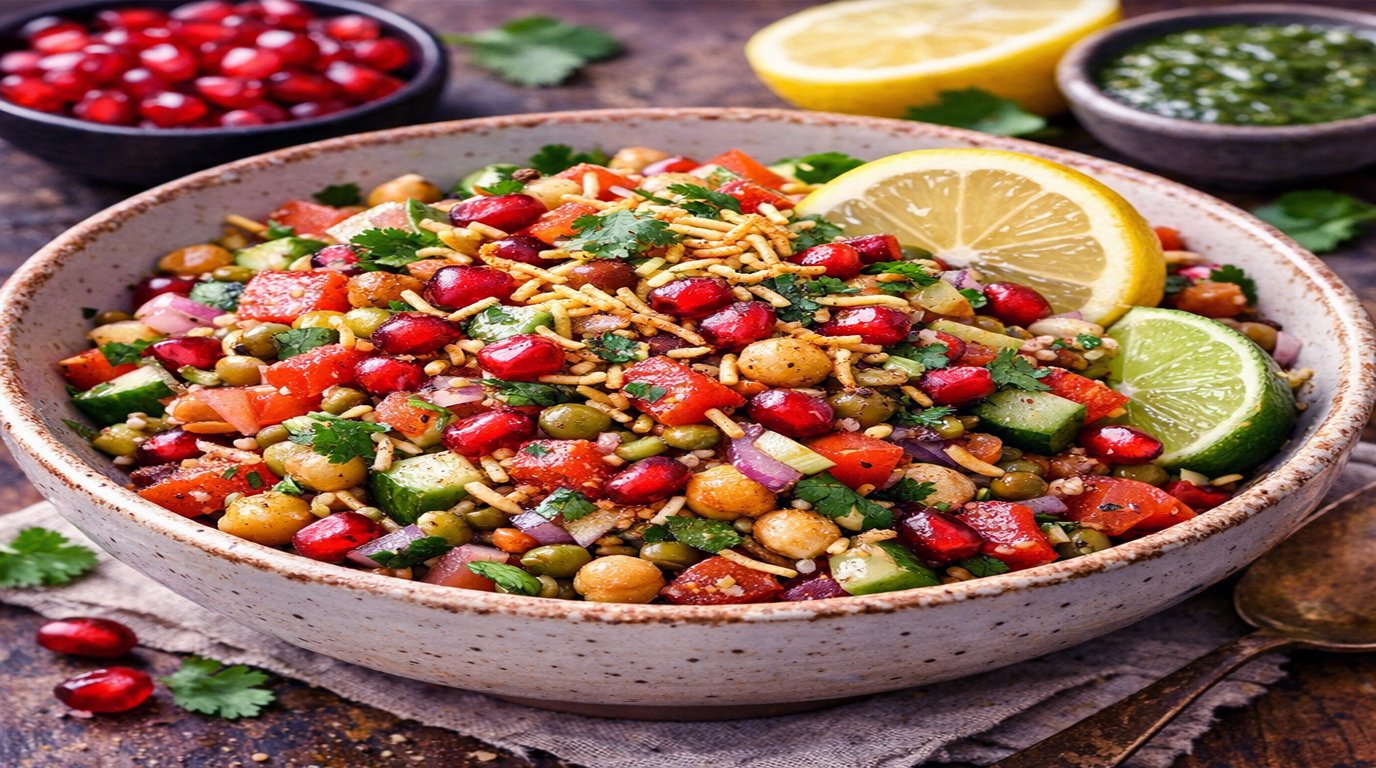
India's Love Affair with Chaat — And Why It Needs a Healthy Makeover
If there's one food category that unites all of India — across regions, languages, cultures, and generations — it's chaat. From the bustling streets of Delhi and Mumbai to small-town roadside stalls and grand family gatherings, chaat holds an almost sacred place in the Indian culinary landscape. The word "chaat" itself is derived from the Hindi verb "chaatna," meaning "to lick" — a testament to how irresistibly finger-licking these snacks truly are.
Whether it's the crispy explosion of pani puri, the tangy layers of bhel puri, the savory richness of aloo tikki chaat, the comforting indulgence of papdi chaat, or the spicy kick of dahi vada, chaat offers a symphony of flavors — sweet, sour, salty, spicy, and crunchy — all in a single bite. It's no wonder that chaat is often called India's greatest street food invention.
But here's the uncomfortable truth: traditional chaat, as delicious as it is, can be a nutritional minefield. Deep-fried base ingredients, sugar-laden chutneys, processed sev, excess salt, questionable oil quality, and unhygienic street preparation methods can turn this beloved snack into a health hazard — contributing to weight gain, blood sugar spikes, digestive problems, elevated cholesterol, and increased cardiovascular risk.
Does this mean you have to give up chaat entirely to stay healthy? Absolutely not.
A well-known nutritionist has recently shared a brilliant solution: a healthy, homemade chaat recipe that delivers all the flavor, excitement, and satisfaction of traditional chaat — but with a fraction of the calories and a massive boost in nutritional value. This wholesome version is packed with protein, fiber, vitamins, minerals, and antioxidants, making it a snack you can genuinely feel good about eating.
In this comprehensive guide, we'll explore why traditional chaat can harm your health, reveal the nutritionist's complete method for preparing this guilt-free chaat, analyze its nutritional benefits, and share expert tips for making your own customized healthy chaat creations.
Why Is Traditional Street Chaat Unhealthy? The Hidden Health Costs
Before we dive into the healthy alternative, let's understand exactly why conventional chaat preparations can be problematic for your health.
1. Deep-Fried Ingredients Loaded with Unhealthy Fats
The foundation of most traditional chaats relies on deep-fried components — puris, papdis, samosas, tikkis, vadas, sev, and boondi. These items are typically fried in large batches using refined vegetable oils that are often reused multiple times. Repeatedly heated oils generate trans fats and harmful free radicals, which are linked to:
- Increased LDL ("bad") cholesterol
- Chronic inflammation
- Higher risk of heart disease and stroke
- Accelerated cellular aging
A single serving of traditional papdi chaat or samosa chaat can contain 15–25 grams of unhealthy fat — a significant portion of the recommended daily intake.
2. Excessive Sugar in Chutneys
The iconic sweet chutney (meethi chutney) that accompanies most chaats is made with dates or tamarind cooked with large amounts of refined sugar or jaggery. While delicious, these chutneys add substantial empty calories and can cause rapid blood sugar spikes — a particular concern for people with diabetes, insulin resistance, or metabolic syndrome.
3. High Sodium Content
Traditional chaats are often heavily seasoned with regular table salt, chaat masala, black salt, and various spice mixes that contribute to excessive sodium intake. High sodium consumption is directly linked to:
- Elevated blood pressure (hypertension)
- Water retention and bloating
- Increased risk of kidney problems and cardiovascular disease
4. Low Protein and Fiber Content
Most conventional chaats are built around refined carbohydrates (maida-based puris and papdis) and potatoes, providing very little protein or dietary fiber. This means they fail to keep you full for long, often leading to overeating and energy crashes shortly after consumption.
5. Hygiene Concerns with Street Food
Street-side chaat preparation often involves questionable hygiene standards — contaminated water for pani puri, unwashed vegetables, unclean hands, exposure to dust and flies, and improper food storage. These factors increase the risk of foodborne illnesses, including gastroenteritis, typhoid, hepatitis A, and parasitic infections.
6. Calorie Overload
A typical plate of street chaat can pack anywhere from 300 to 600+ calories — primarily from fried ingredients, sugar, and starchy potatoes — without providing proportionate nutritional value. For context, this is equivalent to a full meal's worth of calories consumed as a "snack."

The Nutritionist's Guilt-Free Healthy Chaat: Complete Method and Recipe
Now for the exciting part — the nutritionist's step-by-step method for creating a chaat that is delicious, nutritious, satisfying, and completely guilt-free. This recipe replaces all the unhealthy elements of traditional chaat with wholesome, nutrient-dense alternatives while preserving the quintessential chaat flavor profile — tangy, spicy, crunchy, and refreshing.
Key Principles Behind This Healthy Chaat
The nutritionist's approach is built on four core principles:
- Replace deep-fried bases with whole, unprocessed ingredients (sprouts, boiled legumes, raw vegetables)
- Maximize protein and fiber content for sustained energy and satiety
- Use natural flavor enhancers (lemon juice, fresh herbs, spices) instead of sugar-laden chutneys and excess salt
- Incorporate a rainbow of colorful vegetables and fruits for maximum vitamin, mineral, and antioxidant diversity
Ingredients for the Healthy Chaat
Here's what you'll need to prepare this nutritionist-approved guilt-free chaat:
Base Ingredients:
- 1 cup mixed sprouts (moong, chana, moth — boiled or steamed until tender)
- ½ cup boiled black chickpeas (kala chana) or white chickpeas (kabuli chana)
- ½ cup boiled sweet potato, diced into small cubes (replaces regular potato for lower GI and higher nutrients)
- ½ cup cucumber, finely chopped
- ½ cup tomatoes, finely chopped
- ¼ cup onion, finely chopped
- ¼ cup boiled corn kernels (optional, for added sweetness and fiber)
Toppings and Crunch:
- 2 tablespoons pomegranate seeds (arils)
- 2 tablespoons roasted peanuts or roasted chana (for protein and healthy crunch)
- 1 tablespoon roasted flaxseeds or pumpkin seeds (optional, for omega-3s and extra nutrition)
- Fresh coriander (cilantro) leaves, chopped
- Fresh mint leaves, chopped
Dressing and Seasoning:
- Juice of 1 fresh lemon (or to taste)
- ½ teaspoon roasted cumin powder (jeera powder)
- ½ teaspoon chaat masala
- ¼ teaspoon black salt (kala namak)
- ¼ teaspoon black pepper powder
- ¼ teaspoon red chili powder or green chili, finely chopped (adjust to taste)
- A pinch of turmeric powder (optional)
- A small pinch of rock salt (sendha namak) — to taste
- 1 teaspoon green chutney (made fresh with mint, coriander, green chili, and lemon — no sugar)
Optional Healthy Additions:
- 1 tablespoon hung curd (strained yogurt) or a dollop of low-fat yogurt
- A few slices of avocado for healthy fats
- Grated raw beetroot or carrot for added color and nutrients
- A sprinkle of chaat-style makhana (roasted fox nuts) for light crunch
Step-by-Step Preparation Method
Step 1: Prepare the Sprouts and Legumes
- Wash and soak the mixed sprouts and chickpeas overnight (or for at least 8 hours).
- Boil or steam them until tender but not mushy — they should retain a slight bite for texture.
- Drain and allow them to cool to room temperature.
- Nutritionist's tip: Sprouting legumes increases their protein digestibility, enhances vitamin C and B-vitamin content, and reduces anti-nutritional factors like phytic acid.
Step 2: Prepare the Sweet Potato
- Boil or steam the sweet potato until just tender.
- Peel and dice into small, bite-sized cubes.
- Allow to cool.
- Why sweet potato? Unlike regular potatoes, sweet potatoes have a lower glycemic index, higher fiber content, and are rich in beta-carotene (vitamin A), vitamin C, and potassium.
Step 3: Chop the Fresh Vegetables and Fruits
- Finely chop the cucumber, tomatoes, and onion.
- Prepare the pomegranate seeds.
- Chop fresh coriander and mint leaves.
- Nutritionist's tip: Using raw, fresh vegetables preserves their full vitamin, mineral, and enzyme content — nutrients that are often destroyed by cooking or frying.
Step 4: Make the Healthy Green Chutney (Optional but Recommended)
- Blend together a handful of fresh mint leaves, a handful of fresh coriander leaves, 1 green chili (adjust to taste), juice of half a lemon, a small piece of ginger, a pinch of salt, and 2–3 tablespoons of water.
- This fresh, sugar-free chutney adds incredible flavor without the empty calories of traditional sweet chutney.
Step 5: Assemble the Chaat
- In a large mixing bowl, combine the cooled sprouts, chickpeas, sweet potato cubes, chopped cucumber, tomatoes, onion, and corn kernels.
- Add the roasted peanuts or roasted chana.
- Sprinkle with pomegranate seeds, roasted flaxseeds or pumpkin seeds, and fresh herbs.
- Squeeze fresh lemon juice generously over the mixture.
- Add roasted cumin powder, chaat masala, black salt, black pepper, red chili powder, and rock salt.
- Toss everything gently but thoroughly to ensure even coating of the dressing and spices.
- Drizzle with a spoonful of fresh green chutney.
- If desired, top with a dollop of hung curd or low-fat yogurt.
Step 6: Serve Immediately
- Serve the healthy chaat immediately in individual bowls to maintain the freshness and crunch of the ingredients.
- Garnish with additional coriander, mint, and a final squeeze of lemon.

Nutritional Benefits of This Healthy Chaat: Why It's So Good for You
This isn't just a healthier version of chaat — it's a genuine nutritional powerhouse. Let's break down the impressive health benefits of each key component.
1. Sprouts — The Protein and Enzyme Powerhouse
Sprouted legumes (moong, chana, moth) are among the most nutrient-dense foods available:
- High-quality plant protein: Essential for muscle repair, immune function, and sustained energy
- Rich in dietary fiber: Promotes digestive health, regulates blood sugar, and enhances satiety
- Enhanced vitamin content: Sprouting dramatically increases levels of vitamin C, B vitamins (including folate), and vitamin K
- Improved mineral absorption: Sprouting reduces phytic acid, allowing better absorption of iron, zinc, calcium, and magnesium
- Living enzymes: Raw or lightly cooked sprouts contain active enzymes that aid digestion
2. Chickpeas (Chana) — Fiber and Protein Champion
Whether you use black chickpeas (kala chana) or white chickpeas (kabuli chana), these legumes are nutritional gold:
- Excellent source of plant-based protein (approximately 15g per cup cooked)
- Very high in dietary fiber (approximately 12g per cup cooked)
- Rich in iron, phosphorus, manganese, and folate
- Low glycemic index — helps stabilize blood sugar levels
- Promotes heart health by helping lower LDL cholesterol
3. Sweet Potato — The Smarter Carbohydrate
Replacing regular potato with sweet potato is a strategic nutritional upgrade:
- Lower glycemic index: Causes a slower, more gradual rise in blood sugar compared to white potatoes
- Rich in beta-carotene: The body converts this into vitamin A, essential for eye health, immune function, and skin health
- Good source of fiber: Supports digestive health and helps control appetite
- Packed with vitamins and minerals: Including vitamin C, potassium, manganese, and B vitamins
- Antioxidant properties: The vibrant orange color indicates high levels of protective antioxidants
4. Fresh Vegetables — Vitamins, Minerals, and Hydration
The raw vegetables in this chaat — cucumber, tomato, and onion — contribute:
- Cucumber: Hydrating, low in calories, rich in vitamin K, potassium, and silica (for skin health)
- Tomato: Excellent source of lycopene (a powerful antioxidant), vitamin C, potassium, and folate
- Onion: Contains quercetin (an anti-inflammatory flavonoid), vitamin C, and prebiotic fibers that support gut health
5. Pomegranate Seeds — Antioxidant Superfood
These ruby-red jewels are much more than just a pretty garnish:
- Extremely high in polyphenol antioxidants (punicalagins and anthocyanins) that protect cells from oxidative damage
- Rich in vitamin C for immune support and collagen production
- Good source of fiber for digestive health
- Contains vitamin K for blood clotting and bone health
- Research suggests pomegranate consumption may support heart health, reduce inflammation, and improve blood pressure
6. Peanuts and Seeds — Healthy Fats, Protein, and Crunch
Roasted peanuts, flaxseeds, and pumpkin seeds add much more than just texture:
- Peanuts: High in protein, monounsaturated fats, niacin, magnesium, and resveratrol
- Flaxseeds: One of the richest plant sources of omega-3 fatty acids (ALA), plus lignans with antioxidant properties
- Pumpkin seeds: Excellent source of zinc, magnesium, iron, and plant-based protein
7. Lemon Juice — Vitamin C and Flavor Without Calories
Fresh lemon juice serves as the primary flavor base, replacing sugar-laden sweet chutney:
- Very high in vitamin C: Enhances iron absorption from plant foods, boosts immunity, and supports skin health
- Aids digestion: Citric acid stimulates digestive enzyme production
- Zero calories: Provides intense flavor without adding sugar, fat, or significant sodium
- Alkalizing effect: Despite being acidic, lemon juice has an alkalizing effect on the body once metabolized
8. Spices — Anti-Inflammatory and Metabolic Benefits
The spice blend in this chaat — cumin, black pepper, turmeric, chaat masala — provides more than just flavor:
- Cumin: Aids digestion, has antimicrobial properties, and may support blood sugar regulation
- Black pepper: Contains piperine, which enhances nutrient absorption (especially curcumin from turmeric) and has anti-inflammatory effects
- Turmeric: Contains curcumin, one of nature's most potent anti-inflammatory and antioxidant compounds
- Chaat masala: A blend of spices that stimulates appetite and digestive fire (agni in Ayurvedic tradition)
Approximate Nutritional Profile (Per Serving)
|
Nutrient |
Approximate Amount |
|
Calories |
200–280 kcal |
|
Protein |
12–18 g |
|
Carbohydrates |
30–40 g |
|
Dietary Fiber |
8–14 g |
|
Fat |
5–8 g (mostly healthy fats) |
|
Vitamin C |
40–60% of daily value |
|
Iron |
20–30% of daily value |
|
Potassium |
15–25% of daily value |
|
Folate |
25–40% of daily value |
Compare this to a typical serving of deep-fried street chaat, which might contain 400–600 calories, 15–25g of unhealthy fat, minimal fiber, and negligible protein — and the superiority of this healthy version becomes strikingly clear.

Expert Tips for Customizing Your Own Healthy Chaat Bowl
One of the greatest things about healthy chaat is its incredible versatility. The nutritionist encourages people to experiment with different ingredients and flavor combinations based on their dietary preferences, nutritional goals, and what's available seasonally. Here are some expert-recommended customization ideas:
For Maximum Protein
- Add boiled eggs (sliced or chopped) for a non-vegetarian protein boost
- Include paneer cubes (grilled or raw) for a vegetarian high-protein addition
- Mix in Greek yogurt or hung curd as a creamy, protein-rich topping
- Add roasted soy nuts or edamame for plant-based protein
- Use quinoa as a base alongside or instead of sprouts
For Weight Loss
- Keep portion sizes moderate (around 1 cup per serving)
- Maximize raw vegetable content for volume and fiber with minimal calories
- Skip potatoes and sweet potatoes — rely on sprouts and raw vegetables as the base
- Use lemon juice and green chutney as the primary dressing (avoid yogurt if watching calories closely)
- Add extra cucumber and leafy greens for hydration and fullness
For Diabetic-Friendly Chaat
- Use only sprouted legumes and chickpeas as the base (avoid potatoes and sweet potatoes)
- Maximize fiber content with extra vegetables, seeds, and sprouts
- Avoid any added sweeteners, including dates or jaggery
- Include cinnamon as a spice — research suggests it may help improve insulin sensitivity
- Monitor portion sizes and blood sugar response
For Kids
- Make it colorful and fun — use a variety of brightly colored vegetables and fruits
- Add a small amount of roasted makhana (fox nuts) or puffed rice for familiar, crunchy textures
- Go easy on the spice — reduce chili and increase lemon and chaat masala for kid-friendly tanginess
- Let children help assemble their own chaat bowls — involvement increases their willingness to eat healthy foods
- Include corn kernels, pomegranate seeds, and small cheese cubes for kid-approved flavors
For Gut Health
- Add a tablespoon of homemade curd (yogurt) for probiotics
- Include prebiotic-rich ingredients like raw onion, garlic, and banana (raw, slightly unripe)
- Use sprouted legumes for their enzyme content
- Add a pinch of roasted fennel seeds (saunf) for digestive comfort
- Include fresh mint, which has natural digestive-soothing properties
Seasonal Variations
- Summer: Emphasize hydrating ingredients like cucumber, watermelon cubes, raw mango, and mint; serve chilled
- Monsoon: Use well-washed and properly cooked/boiled ingredients to minimize infection risk; add ginger and turmeric for immunity
- Winter: Include roasted sweet potato, beetroot, carrots, and warming spices like cinnamon and black pepper; serve at room temperature
When Is the Best Time to Eat This Healthy Chaat?
The nutritionist recommends enjoying this guilt-free chaat at specific times for maximum benefit:
As an Evening Snack (4:00–6:00 PM)
This is the most popular and ideal time for chaat. A healthy chaat bowl between lunch and dinner helps:
- Prevent the late-afternoon energy slump
- Curb unhealthy snacking impulses
- Provide sustained energy for evening activities
- Ensure you don't arrive at dinner overly hungry (which leads to overeating)
As a Pre-Workout Snack
The combination of complex carbohydrates from sprouts and sweet potato, along with easily available energy from the vegetables and fruits, makes this chaat an excellent pre-exercise fuel — consumed 45–60 minutes before a workout.
As a Light Lunch
On days when you want something lighter than a full meal, a generous portion of this healthy chaat can serve as a satisfying, balanced lunch — especially when loaded with extra sprouts, chickpeas, and peanuts for protein.
As a Party or Gathering Appetizer
Serve individual portions of this colorful chaat in small bowls or cups at parties, potlucks, and family gatherings. It's a crowd-pleaser that's both impressive to look at and genuinely healthy — a rare combination in party food.

Common Mistakes to Avoid When Making Healthy Chaat
Even with the best intentions, some common mistakes can undermine the healthfulness of your homemade chaat. Here's what to watch out for:
1. Overdoing the Salt
While chaat masala and black salt add irresistible flavor, it's easy to go overboard. Excessive sodium negates many of the health benefits. Use salt sparingly and let the natural flavors of lemon, herbs, and spices shine.
2. Adding Store-Bought Chutneys
Many commercially packaged chutneys and sauces contain added sugar, preservatives, artificial colors, and excess sodium. Always make your chutneys fresh at home using natural ingredients.
3. Sneaking in Fried Toppings
It's tempting to add a handful of sev, fried boondi, or papdi "for crunch." Resist this urge — it defeats the purpose. Instead, get your crunch from roasted peanuts, roasted chana, roasted makhana, or toasted seeds.
4. Using Canned Chickpeas Without Rinsing
Canned chickpeas are convenient, but they often contain added sodium in the brine. Always rinse canned chickpeas thoroughly under running water before use — this can reduce sodium content by up to 40%.
5. Preparing Too Far in Advance
Healthy chaat is best assembled and eaten immediately. Preparing it too far in advance causes the vegetables to release water, making the chaat soggy and less appealing. If you need to prep ahead, keep the dry and wet components separate and combine just before serving.
6. Ignoring Portion Control
Even healthy food can contribute to weight gain if consumed in excessive quantities. A single serving bowl (approximately 1–1.5 cups) is typically sufficient as a snack.
The Bigger Picture: Transforming Indian Snacking Culture
The nutritionist's healthy chaat recipe represents something larger than just a single dish — it's part of a growing movement to reimagine traditional Indian snacking in healthier ways without losing the cultural and culinary essence that makes these foods special.
India faces a growing epidemic of lifestyle diseases — obesity, diabetes, heart disease, and hypertension — driven in part by unhealthy dietary habits, including excessive consumption of deep-fried, sugary, and processed snack foods. By demonstrating that beloved dishes like chaat can be reinvented in nutritious ways that taste equally satisfying, nutritionists and health advocates are helping people make better choices without feeling deprived.
This approach — health through transformation rather than elimination — is far more sustainable and realistic than asking people to simply give up the foods they love. When you can enjoy a bowl of chaat that's bursting with flavor AND bursting with nutrients, there's no reason to reach for the deep-fried alternative.

Frequently Asked Questions (FAQs)
Q1: Can I eat this healthy chaat every day?
Yes, this healthy chaat can be enjoyed daily as a snack, provided you vary the ingredients for nutritional diversity and maintain appropriate portion sizes. Its high protein, fiber, vitamin, and mineral content makes it a far superior alternative to most conventional snack options.
Q2: Is this healthy chaat suitable for weight loss?
Absolutely. With its high protein and fiber content, moderate calorie count, and absence of deep-fried ingredients and added sugars, this chaat is an excellent snack choice for weight-loss diets. It keeps you full, prevents unhealthy cravings, and provides essential nutrients during calorie restriction.
Q3: Can diabetics eat this chaat?
Yes, with minor modifications. Diabetics should skip the sweet potato and focus on sprouts, chickpeas, and raw vegetables as the base. The high fiber and protein content helps stabilize blood sugar levels. However, always monitor your individual blood sugar response and consult your doctor or dietitian.

Q4: Can I give this healthy chaat to children?
Definitely! This chaat is an excellent way to get children to eat more vegetables, legumes, and fruits. Adjust the spice level to suit young palates and let children help assemble their own bowls to make it a fun, interactive experience.
Q5: How can I make this chaat more filling?
To make it a more substantial meal, increase the portion of sprouts and chickpeas, add a generous dollop of hung curd, include boiled quinoa or sweet potato, and add extra peanuts or seeds. This transforms the chaat from a light snack into a complete, balanced meal.
Q6: Can I store leftovers?
It's best to consume this chaat fresh for optimal taste and texture. However, you can store the prepared components (boiled sprouts, chickpeas, sweet potato) separately in the refrigerator for up to 24 hours and assemble fresh servings as needed. Do not pre-mix with lemon juice, salt, or vegetables, as this will cause sogginess.
Conclusion: Chaat Doesn't Have to Be a Guilty Pleasure Anymore
The notion that healthy eating means bland, boring, or restrictive food is one of the biggest myths in nutrition — and this guilt-free chaat recipe proves it spectacularly wrong. By replacing deep-fried, sugary, and processed ingredients with nutrient-dense sprouts, legumes, fresh vegetables, fruits, seeds, and natural seasonings, the nutritionist has created a dish that is simultaneously:
- Explosively flavorful — tangy, spicy, crunchy, and refreshing
- Deeply satisfying — high in protein and fiber for lasting fullness
- Impressively nutritious — loaded with vitamins, minerals, antioxidants, and healthy fats
- Genuinely low in calories — a fraction of traditional chaat's caloric load
- Incredibly easy to make — no cooking expertise required, ready in minutes
- Endlessly customizable — adaptable to any dietary preference, health goal, or seasonal availability
This is the future of Indian snacking — honoring the traditions, flavors, and joy of our culinary heritage while making conscious choices that protect and promote our health.
So the next time your chaat craving strikes, skip the street-side stall and head to your own kitchen instead. Whip up this nutritionist-approved healthy chaat bowl, dig in without an ounce of guilt, and savor every single bite knowing that you're nourishing your body as deliciously as possible.
Your taste buds and your health will both thank you.
Disclaimer: This article is for informational and educational purposes only. It does not constitute medical or nutritional advice. Individual dietary needs vary based on health conditions, allergies, and personal goals. Always consult a qualified nutritionist, dietitian, or healthcare provider for personalized dietary guidance.

Post your opinion
No comments yet.